

As more women use fertility apps, how should GPs advise on digital contraception?


This article has been sponsored and fully funded by Natural Cycles. The opinions in this article do not necessarily reflect the views of Pulse.
Women are increasingly using technology to track and manage different areas of their health. A 2024 survey showed that 51% of women aged under 44 were using a device to track their menstrual cycle, according to a YouGov survey.
As a result, healthcare professionals are likely to see more patients seeking advice about app-based approaches to fertility awareness and contraception. However, not all fertility apps are designed for the same purpose, and understanding the distinction between wellness tools and regulated contraceptive methods is important when supporting informed patient choice.
While period-tracking apps can help women monitor and learn about their cycles, their use should come with caution. Many period-tracking apps display a predicted fertile window, which can give users confidence that they can be used to avoid pregnancy. However, these tools are not regulated contraceptive methods and are not designed or clinically tested for pregnancy prevention.
Recent research found that, among period-tracking apps, 67% of cycles misclassified at least one ‘at-risk’ fertile day as ‘safe’, while in a quarter of cycles at least one of the two most fertile days was misclassified, according to a 2026 observational analysis.
By contrast, digital contraception is designed specifically for pregnancy prevention. Natural Cycles is a CE-marked, clinically evaluated medical device that uses a science-based algorithm to determine a woman’s fertility status using her individual data. It has been evaluated in peer-reviewed real-world clinical studies and is intended to prevent pregnancy (Berglund Scherwitzl et al, 2016; Berglund Scherwitzl et al, 2017; Bull et al, 2019; Pearson et al, 2021).
According to the same 2026 analysis, period-tracking apps can result in up to 44 times higher unintended pregnancy risk per cycle compared with digital contraception.
Treating fertility apps as interchangeable can therefore create confusion and increase unintended pregnancy risk, highlighting the need to clearly distinguish wellness tools from regulated contraceptive methods.
Addressing evolving contraceptive needs
Data suggest that many women are dissatisfied with their current contraceptive choice or have stopped using contraception altogether, according to reports from the British Pregnancy Advisory Service and the Women’s Reproductive Health Survey.
There has also been a growing trend towards women seeking non-hormonal contraceptive options for a variety of reasons, including concerns of side effects of hormonal contraception, changes in libido, and preference for ‘natural’ methods, as highlighted in a systematic review.
In response, some women have begun relying on ‘natural’ methods such as withdrawal or period-tracking apps as seen in a recent study of abortion patients in England (McNee et al, 2025).
Increased access barriers to effective contraception, hormone hesitancy, and reduced consultation time may all contribute to unintended pregnancies.
This is one reason why awareness of regulated non-hormonal contraceptive methods is important. Healthcare professionals need to be equipped to provide evidence-based information on the full range of available contraceptive options, enabling women to make informed choices that are appropriate for their individual circumstances.
Natural Cycles is 93% effective with typical use and 98% effective with perfect use, based on published studies, and may be a suitable option for people seeking a non-hormonal, non-invasive contraceptive method, who:
- Are aged 18 years or older
- Agree to use protection or abstain from sex on fertile days
- Cannot tolerate hormonal contraception
- Currently use a period tracker or a less effective contraceptive method
However, digital contraception may not be suitable for everyone. It requires regular in-app engagement and adherence to guidance on fertile days, and it does not protect against sexually transmitted infections.
International approaches to guidance
Some international bodies have begun to distinguish regulated digital contraceptives from general fertility-tracking apps.
The Brazilian Federation of Gynecology and Obstetrics recently issued guidance providing criteria for clinicians when discussing digital contraception with patients.
While the Brazilian healthcare system differs from that of the UK, the underlying principle is relevant to primary care here: clinicians and patients can benefit from guidance that provides clarity, supports consistent counselling and reflects real-world patient behaviour.
In the UK, the College of Sexual & Reproductive Healthcare is currently reviewing its 2015 guidance on fertility awareness methods, with an updated publication expected later this year.
Working within a changing contraceptive landscape
Digital contraception represents another option within a broad and evolving contraceptive landscape, and its effective use can be supported by clinical guidance.
As digital health use continues to grow, clinicians are likely to face more questions about app-based approaches to fertility awareness and contraception. Ensuring patients understand that not all apps are the same is an important part of supporting informed decision-making.
Greater awareness of the differences between fertility-tracking tools and regulated contraceptive methods may help clinicians provide clearer counselling and support women in choosing the option that best meets their needs.
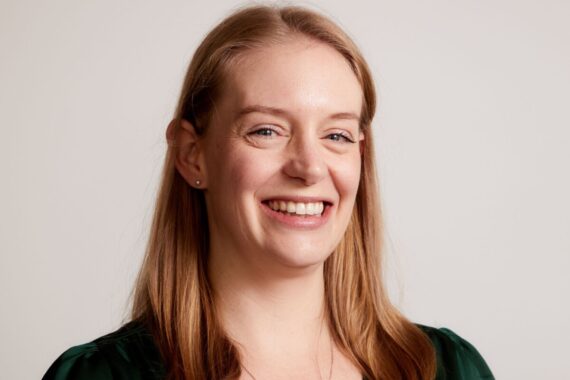
Dr Fran Yarlett works as a GP in Sheffield with a special interest in complex medical patients and women’s health. She is also Medical Director for The Lowdown, an online contraception platform and community that provides advice, reviews and shared experiences of contraception.
Fran is a member of the Natural Cycles-led UK Digital Contraception & Innovation Committee, which aims to unite experts, develop educational resources on digital contraception and advocate for access to a diverse range of contraceptive options in the UK.



