

NHS England to lower FIT test threshold triggering bowel cancer investigation
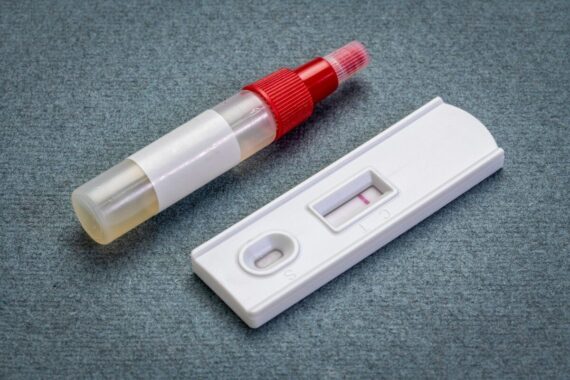


NHS England has announced it is reducing the level at which traces of blood in a FIT test trigger further investigation for bowel cancer.
By lowering the threshold to trigger urgent cancer testing – from 120 micrograms of blood per gram of faeces down to 80 – the NHS will offer 35% more screening colonoscopies each year to help diagnose or rule out bowel cancer, NHSE said.
The commissioner estimated that the change which will be implemented from next month could help detect around 600 more bowel cancers early each year in England and find 2,000 more people with high-risk polyps in their bowel.
In line with recommendations by the UK National Screening Committee, the NHS will now roll out the lower threshold across the country by March 2028.
The rollout follows a pilot at eight early-adopting services, with over 60 additional cancers and nearly 500 high-risk polyps being found and treated.
NHS England’s clinical director for cancer Peter Johnson said: ‘This is a major step forward in bowel cancer detection and will help save hundreds more lives from this devastating disease.
‘Testing at a lower threshold will now provide a better early-warning system for bowel cancer, helping us to spot and treat cancers earlier, often picking up problems before symptoms appear.
‘Earlier detection can mean less intensive treatment and ensures the best chance of survival, and in many cases people could avoid facing cancer altogether by having dangerous polyps removed before they cause harm.’
Cancer Research UK chief executive Michelle Mitchell said: ‘This vital step from NHS England to lower the threshold for further tests after bowel screening will save lives. It means more cancers will be detected at an earlier stage, when treatment is more likely to be successful, while also preventing some from developing in the first place.
‘Screening is for people without symptoms, so if anyone spots something that isn’t right for them, they should speak to their GP. It probably won’t be cancer, but if it is, finding it early can make a real difference.’
Last year, NHS England moved to the final stage of its rollout of bowel cancer screening by opening up testing kits to those over the age of 50 years.
Visit Pulse Reference for details on 140 symptoms, including easily searchable symptoms and categories, offering you a free platform to check symptoms and receive potential diagnoses during consultations.
Related Articles

READERS' COMMENTS [2]
Please note, only GPs are permitted to add comments to articles






I’m not a screening nerd, but the thresholds seem very high. When investigating symptoms (normally change in bowel habit) we have all had loads of results between 10 and 80 or 10 and 120 which we refer and turn out to be cancer. The scientists who no doubt understand the numbers more than me may be able to qualify that with numbers which demosntrate presenting to a GP and a test of 30 has much higher PPV than someone with a post bag test and result of 30; but it seems incredible that the thresholds can be so different.
It’s clear that bowel screening is much more effective than the other screening programmes, so they must know at least a bit about what they are talking about. (More than me!)
Follow the science
Always works out well