

Thousands overtreated for prostate cancer because guidance is out of date
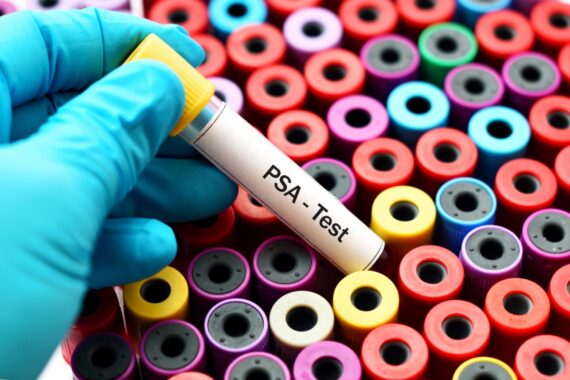


Thousands of men with slow-growing prostate cancer are being overtreated because guidance is out of date, a charity has warned.
A freedom of information request (FOI) by Prostate Cancer UK has found wide differences in how hospitals approach active surveillance, which they have calculated could mean 5,000 men are receiving treatment that they do not need.
The charity wants NICE to urgently update its guidance which was last reviewed in 2021.
And it noted that NICE and NHS guidance is conflicting, and 35 trusts had created their own recommendations on who should have active surveillance.
Data for England suggests that potential overtreatment for prostate cancer ranges from 2% to 24%, depending on where men are in the country, the charity said.
At the moment, NICE only recommends active surveillance as the preferred treatment for men with the lowest risk prostate cancer – nine in 10 of whom will have no signs of cancer spreading within five years.
But NHS guidance issued last year as part of the Getting It Right First Time programme recommends it for men with the next lowest risk category with eight in ten having no sign of cancer progression in five years but with closer monitoring required.
Prostate Cancer UK’s analysis of responses from trusts found that 39% of hospitals are still treating all men the same, meaning some men will opt for treatment they do not need but that can have serious side effects.
In all the charity estimates that up to 5,000 men a year could avoid overtreatment by bringing guidelines up to date with the latest evidence.
A 15-year large UK study reported in 2023 that active monitoring of localised prostate cancer is associated with the same high survival rates as radiotherapy or surgery.
Prostate Cancer UK assistant director of health improvement Amy Rylance said official guidelines had not caught up with the clinical evidence.
She said: ‘Concerns about overtreatment are a major reason the UK does not routinely screen for prostate cancer, despite it being the most common cancer in England.
‘Acting on latest research that shows more men can safely opt for monitoring instead of treatment will reduce overtreatment and the harm it causes men.’
Professor Vincent Gnanapragasam, professor of urology at the University of Cambridge, said: ‘Active Surveillance is the best treatment option for men whose cancer is unlikely to progress or cause them problems in their lifetime.
‘But NICE’s outdated guidelines have created a deeply concerning wild west on how surveillance is implemented by different health care teams.
‘This inconsistency is resulting in a lack of confidence from patients in surveillance, who may instead opt to have treatment they may not have ever needed, risking harmful side effects.’
Last year a review found that the adverse effects after prostate cancer treatment were ‘substantial and long-lasting’.
The NICE website information on guidelines NG131 states that they will be updated. ‘In August 2025 it was decided that we will update the guideline related to the protocol for active surveillance (AS) for localised prostate cancer,’ it says.
The UK’s National Screening Committee is currently assessing whether a national screening programme for prostate cancer should be rolled out.
Visit Pulse Reference for details on 140 symptoms, including easily searchable symptoms and categories, offering you a free platform to check symptoms and receive potential diagnoses during consultations.
Related Articles

READERS' COMMENTS [1]
Please note, only GPs are permitted to add comments to articles







See Copperfield! Many of these men would not even be in the urology system if it wasn’t for Prostate Cancer UK, who insist that everyone has the “right” to be screened.