

NHSE sets out isolation guidance for GP practices faced with suspected hantavirus


Healthcare providers must get plans in place for the isolation and management of suspected hantavirus cases, new guidance from NHS England states.
It comes as health officials announced that six people evacuated to the UK from a cruise ship after a hantavirus outbreak have returned home or to suitable accommodation to complete a 45-day isolation period.
They were among 22 passengers and crew placed in isolation at Arrowe Park Hospital in Merseyside. All are asymptomatic and have tested negative to the Andes strain of the hantavirus which has been at the centre of an outbreak on a cruise ship.
Health protection teams around the UK will be responsible for monitoring and supporting the six who have left the facility.
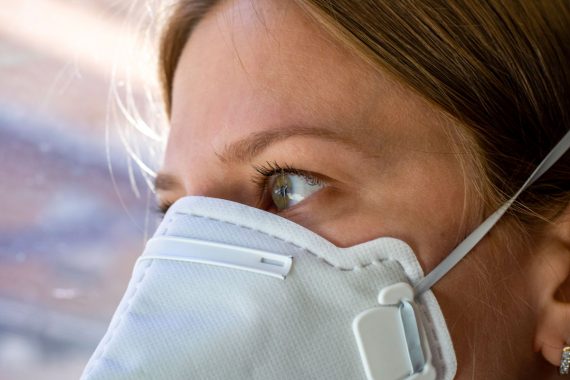
Infection and control measures for suspected cases of the Andes virus – which has now been linked to 11 individuals including three deaths – should follow specific guidance from the World Health Organisation and UK Health Security Agency including the use of FFP3 respirators for high-risk contacts and suspected and actual cases.
Clinical pathways for dealing with a suspected case should include isolation of the patient, co-ordination with local Infection Prevention and Control (IPC) teams, and arrangements for consulting with local infectious disease, microbiology, or virology experts.
The advice states that the route of human-to-human transmission of ANDV has not yet been established, but it appears that prolonged or close contact (within 2 metres) with a symptomatic infected individual is necessary.
It continues that transmission through the air is a possibility and is currently considered a potential route of spread in the current outbreak.
The average incubation period is 18 days but has been reported to be as long as 40 days post exposure.
Initial symptoms are influenza-like or non-specific febrile illness with fever, chills and myalgia, and sometimes gastrointestinal symptoms, including nausea, abdominal pain, diarrhoea and vomiting, and last around three to five days.
This is followed by a cardiopulmonary phase where patients typically deteriorate rapidly over 24 hours, the NHS England guidance notes,
Any patient presenting with symptoms compatible with ADNV infection and who has had contact with someone who travelled on the MV Hondius cruise ship from 1 April 2026, in the 45 days before symptom onset and has no other pathogen consistent with the illness identified, should be managed according to high consequence infectious disease protocols, it states.
Risk assessments must be carried out in all areas ‘where there is possibility of encountering or caring for individuals with clinically suspected or confirmed cases of ANDV’, the guidance adds.
This includes wherever possible, doing telephone triage to assess symptoms and the risk of ANDV before face-to-face contact.
If a suspected case presents in person at a primary care, outpatient, or community setting they should be isolated/socially distanced and a virtual assessment should take place, for example, by phone.
Staff should not physically assess the patient without PPE, it advises.
If a suspected case is seen on the premises, decontamination procedures should be carried out after they leave, it notes.
Professor Robin May, chief scientific officer at UKHSA, commended those who have cooperated so selflessly with the isolation arrangements at Arrowe Park.
‘Thanks also to the NHS and UKHSA colleagues caring for them throughout their time there.
He said it had been an ‘incredible demonstration of international efforts to contain the outbreak’.
‘Our priority remains to ensure everyone is safe and well supported, wherever they complete their isolation, and our teams will continue to work closely with all of those affected by this outbreak.’
Visit Pulse Reference for details on 140 symptoms, including easily searchable symptoms and categories, offering you a free platform to check symptoms and receive potential diagnoses during consultations.
Related Articles

 What do people really know about rare diseases?
READERS' COMMENTS [3]
Please note, only GPs are permitted to add comments to articles







Thank goodness the NHS has the staff and funding for this vital work.
Now when is that Yak bite protocol being published?
….shortly after the Banshee-wail TM perforation policy and the Dragon-fire burn guideline….
So any patient with a vague flu-like, covid-like, or gastroenteritis-like illness should NOT be seen in surgery, as they may have an airborne virus with incubation period of 18-45 days, but shoud be told to remain in isolation, ensure that anyone who has had contact with them also isolates completely, and contact Arrow Park Hospital immediately for any care they may need.
That should lighten the load of GPs considerably ! We don’t need to see any of them, as we are not issued with FFP3 or other isolation equipment. Fortunately the HSE has full control of the situation and is ensuring that all possible contacts are isolating absolutely as required, supplying food, etc. It is good that they have enough staff to do all this.