

Assisted dying-opposed Lords are ‘strangling’ bill, says Baroness Gerada
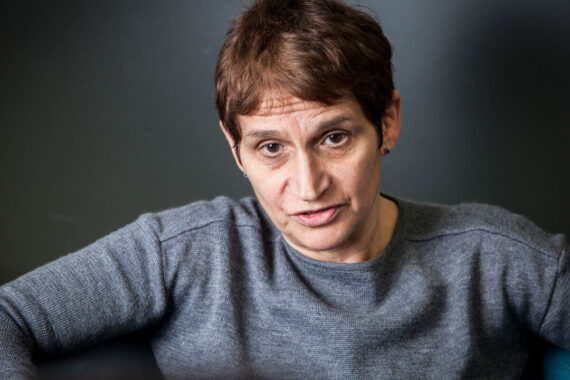


Exclusive Former RCGP chair and now-peer Baroness Gerada of Kennington has voiced frustration over the progress of the assisted dying bill in the House of Lords.
The bill, which is currently passing through the house, has now amassed a record number of amendments, and the bill’s sponsor Lord Falconer has expressed deep concerns about the possibility of its passing.
Speaking to Pulse, Baroness Gerada – who remains a practising GP – said the number of amendments to the bill demonstrated some peers were intent on ‘strangling’ the legislation before a vote on it can take place.
It comes as the bill’s sponsor Lord Falconer told the BBC last week there was ‘absolutely no hope’ of the bill passing into law if the House of Lords did not ‘change the way that they were dealing with it’.
The Terminally Ill Adults (End of Life) Bill, which passed in the House of Commons last year, has been subject to more amendments at committee stage than any other parliamentary bill on record, now standing at 1,227.
The new raft of amendments has included debates over GP capacity and access, the risk of coercion of terminally ill patients and the need for in-person assessments.
But Baroness Gerada told Pulse: ‘I think the amendments are obscuring the fact that these people are against assisted dying totally and utterly, either for their firmly-held religious beliefs or cultural beliefs, and they are putting in so many amendments that they are strangling the bill altogether.’
‘One of the amendments is that everybody should have a pregnancy test, including men, by the way. Another is that we should do a randomised trial on the drugs. How do you do “randomised” trial on death?’
One amendment, proposed by Baroness Coffey, sought in-person assessments as part of the process, claiming virtual meetings risked making the assessment process ‘just a tick-box exercise’ – which Baroness Gerada argued against in the house.
Other peers tabled similar amendments, arguing they would reinforce safeguards against coercion of a terminally ill patient.
Baroness Gerada – a long-time mental health champion – told Pulse: ‘The example used by the peer who was arguing for face to face was that you could be in Tenerife. I argued that you might well want to go to Tenerife in the last stages of your life before you come back to your home in England to die. What’s wrong with that?
‘I think face to face is important at some stage of the process, but I don’t think it’s required for the whole stage. I think people can have their needs addressed, can have just as good care, remotely.’
She added: ‘There are all these “what ifs”, when, in reality, we are talking about someone with only months to live, to make it as easy as possible for them, and not to have to insist on face to face.’
‘This isn’t opening up the floodgates, this is a small number of people per year who will choose to have an assisted death with guardrails in place so you test competence, capacity and choice. Let’s just do it.’
Baroness Gerada also argued that remotely consulting the patient would not increase the risk of coercion.
‘You can have coercion when it is face to face. As a GP, I have had patients come in with their aunt, so to speak, or their husbands, so to speak – you’ve got to be really mindful that they’re not being coerced into any action.
‘It’s also not just on one assessment – the whole process is wrapped up in guardrails to avoid coercion.’
‘In fact, coercion works both ways – we heard from Australians of relatives of the person who wants to die try to force them not to make that decision.’
‘There are many, many processes: you’ve got to see two doctors a week apart, but then a multidisciplinary team with a doctor, psychiatrist, social worker and a judge. We’ll have properly trained doctors who do it, as you do in Australia, making sure they know what they’re doing.’
Asked whether she thought the bill would pass – in light of Lord Falconer’s comments – Baroness Gerada told Pulse: ‘We’ve only got something like six sitting days left, and I think we’re only on the first stage, but I’m hoping we’ll at least get a vote.
‘My feeling is the house would vote for it, because I think the public wants it, and most people in the House of Lords, as in the House of Commons, pick up the views of the public.’
Previously proposed amendments yet to be considered by the House include requirements for a GP to have known a terminally ill person for two years, and to have seen them at least six times.
The BMA has maintained a ‘neutral’ position on assisted dying but has emphasised the need for ‘absolute freedom of choice for doctors as to whether they participate or not’.
And the RCGP moved to a position of ‘neither supporting nor opposing’ assisted dying after a vote of its council members in March 2025.
In May, before the bill passed the House of Commons, a Pulse survey exclusively revealed just under one in four GPs would be prepared to be involved in assisted dying to its completion.
England’s chief medical officer has previously said GPs will require additional training to support patients, if the bill does pass.
Visit Pulse Reference for details on 140 symptoms, including easily searchable symptoms and categories, offering you a free platform to check symptoms and receive potential diagnoses during consultations.
Related Articles

READERS' COMMENTS [5]
Please note, only GPs are permitted to add comments to articles






The main guardrail is ‘ 6 months to live’. Of course Dame Esther Rantzen was told she was terminally ill in 2023 yet thankfully lives still. That’s why this bill is fundamentally flawed-no doctor knows for sure when we will die but there are enough who will want to exercise this ultimate power over us in future. Feeling comfortable about that rest home place ahead anyone? Feeling comfortable about what political party is in power and needs to save money on the care bill? The time and energy spent on this should have been spent on palliative care and consensus over treating/admitting our elderly even when treatments will not work.
Baroness Gerada appears to have done a lot of thinking and feeling on this issue….is it time to get rid of the HoL?
Agree with above & work 1/2 time in Hospice setting and had relatives annoyed we get them well enough to move to care home.
That aside trying to get local hospital to Rx when they have been “confidently & comprehensively written off” is impossible.
On more practical point if have to self administer & dose is ineffective how do you self administer 2nd dose??
The slippery slope & entryidm already evident since Kim Leadbetter first proposed this is all that John Keown warned of in his article Lord Joffe’s Slippery Nill almost 20 years ago . As I understand it my indemnity does not cover me for treatment of patients abroad so in addition to all the other medicolegal risk one would potentially not be indemnified. Perhaps the Baroness will be prepared to undertake this work but I suspect most rank & file GPs will have more sense
this is working very well in all the countries that have introduced it with none wanting to change back. We are just proving to ourselves and the world that the UK cannot manage anything anymore whether its HS2 or assisted dying.
How depressing.