
Exercise comparable to therapy for depression, Cochrane review concludes
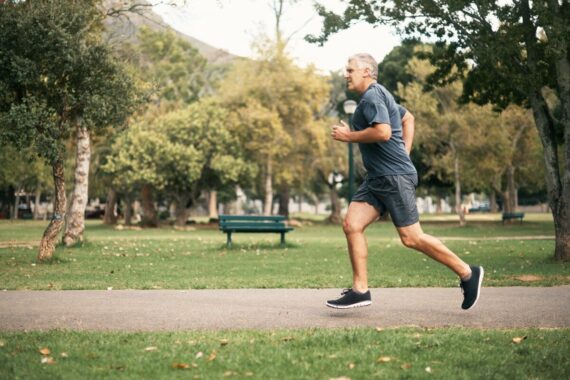


Exercise may have similar benefits in treating depression as therapy, an updated Cochrane review has concluded.
The impact on symptoms may also be comparable to taking antidepressant medication, although there is less clear evidence to support this UK researchers said.
Pooling the results from 73 trials – around half of them new since the last time Cochrane reviewers looked at the evidence showed that exercise programmes can have a ‘moderate benefit’ on reducing depressive symptoms, compared with no treatment or a control intervention.
Data from 10 trials that compared the two found similar reduction in depressive symptoms with exercise or psychological therapy, the researchers reported.
In five studies comparing exercise with antidepressant medication, there was little to no difference in the impact between groups.
Of note, it appeared that light to moderate intensity exercise may be more beneficial than vigorous exercise.
And completing between 13 and 36 exercise sessions was associated with greater improvements in depressive symptoms, the Cochrane reviewers said.
It did not seem to matter what exercise was chosen, although mixed exercise programmes and resistance training appeared more effective than aerobic exercise alone.
But the team from the University of Lancashire stressed that long-term effects of exercise in this group are unclear as because it was rare for studies to follow participants after programmes had ended.
Study leader, Professor Andrew Clegg, professor of health services research, said: ‘Our findings suggest that exercise appears to be a safe and accessible option for helping to manage symptoms of depression.
‘This suggests that exercise works well for some people, but not for everyone, and finding approaches that individuals are willing and able to maintain is important.’
The focus for future studies should be on determining what exercise approach works best and how long the effects last, he added.
Dr Ed Beveridge, the presidential lead for physical health at the Royal College of Psychiatrists said the analysis reinforced the knowledge that exercise can benefit people who have depression, and it is important that people are provided with equitable access.
‘Other lifestyle changes, such as improving diet and sleep, can also have a positive impact on people’s mental wellbeing.
‘However, people can experience a range of symptoms depending on the severity of their depression and exercise should not be seen as a replacement for therapy, medication and other forms of professional treatment.’
Dr Brendon Stubbs, a senior researcher at the Institute of Psychiatry, Psychology and Neuroscience at King’s College London (KCL), said the Cochrane review added to robust evidence that exercise can have a moderate effect on depression.
It strengthens the case for exercise as an option in depression management, he continued.
‘In clinical practice, this supports integrating exercise into treatment plans for depression, given its favourable adverse event profile compared to pharmacological side effects.
Decisions on what approach to take or the best combination of treatments should be taken with the patient on an individual basis, he added.
‘However, it is time for the health service to adapt and ensure that exercise is part of the standard toolkit of options for people with depression.’
Visit Pulse Reference for details on 140 symptoms, including easily searchable symptoms and categories, offering you a free platform to check symptoms and receive potential diagnoses during consultations.