

Study finds long-lasting emotional impact on GPs after patient safety incidents
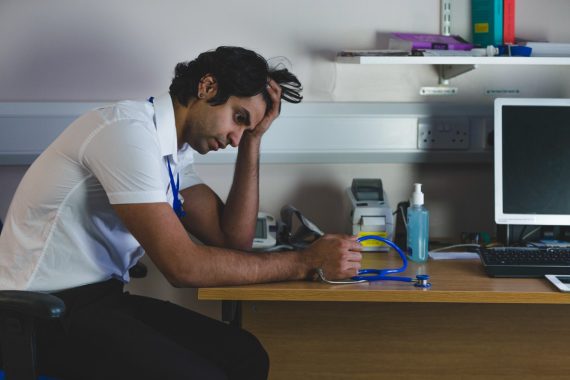


GPs need more structured support following patient safety incidents which can have lasting emotional impact, researchers have concluded.
While the primary focus after events that did or could have caused harm is on patient wellbeing and recovery, without support incidents can also have lasting psychological and professional effects on GPs, a study found.
In a series of interviews with GPs, researchers at Manchester and Keele Universities found that patient safety incidents led to feelings of guilt, anxiety, self-blame, rumination, and loss of confidence.
For some, this contributed to defensive practice, sickness absence, changes in working arrangements or even questioning their long-term future in general practice, they reported in the British Journal of General Practice.
But emotional support from colleagues alongside the opportunity to reflect on and learn from incidents was helpful in moving forward, GPs told the researchers.
It was also helpful to recognise that incidents often arise within complex systems rather than individual failings, they found.
James Tawse, lead researcher from the University of Manchester, said patient safety incidents ‘are an inevitable reality of complex healthcare systems’ but the study showed ‘the impact on GPs can be profound and long-lasting’.
The responsibility for managing the professional fall out of an incident should not be on the individual, he added.
‘Organisations, leaders, and healthcare systems all have a role in creating compassionate, blame-free environments where clinicians feel supported to reflect, learn, recover, and continue providing safe care,’ he said.
Heavy workloads, limited time and resources, fear of judgement, professional isolation, and stressful external investigations, including referral to the GMC often made it more difficult for clinicians to seek support and recover following incidents, the study noted.
Professor Carolyn Chew-Graham, a GP and professor of general practice research at Keele University, said: ‘GPs interviewed shared very personal experiences of how patient safety incidents had impacted on them.
‘Some reflected on the importance of support from within their practices teams had been helpful, but most suggested that access to more formal support had been absent.
‘Given the rising workload in general practice, it is vital that more formal support is offered to GPs, not just when an incident occurs, but to enable them to manage everyday work.’
Professor Darren Ashcroft, director of the NIHR Greater Manchester Patient Safety Research Collaboration – which funded the research – said it highlighted a critical but often overlooked aspect of patient safety – the impact of incidents on the clinicians involved.
‘We recognise that improving patient safety requires more than preventing harm; it also means supporting the workforce when things go wrong.
‘These findings reinforce the need for a compassionate, systems-based approach that enables learning, supports recovery, and ultimately strengthens safer care for patients.’
Visit Pulse Reference for details on 140 symptoms, including easily searchable symptoms and categories, offering you a free platform to check symptoms and receive potential diagnoses during consultations.
Related Articles

READERS' COMMENTS [1]
Please note, only GPs are permitted to add comments to articles







‘More formal support’ would always be absent, because the employer or overseeing GP Trust or Health board has a vested interest, not in supporting the GP or other staff affected by the incident, but in identifying a scapegoat they can turn into a fall guy and persecute to shift attention off the faulty systems, and onto an individual who is really a victim, not an unaffected negligent actor. Hence blaming the GP is the aim and priority target, as they are independent contractors and not a part of the organisation.