
HPV vaccine remains protective for at least 18 years, figures show
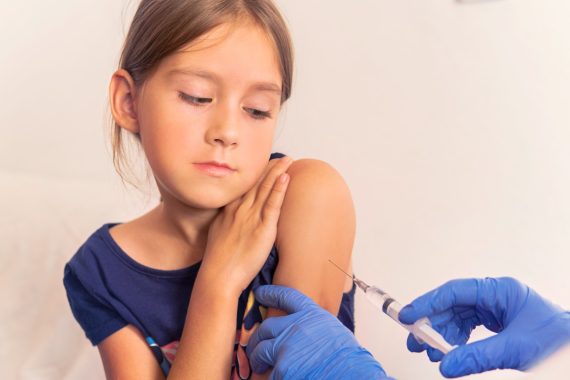


Vaccination against human papillomavirus (HPV) reduces cervical cancer risk up to 18 years later with no signs of waning protection, research has shown.
A Swedish analysis of nationwide data of almost a million girls and women between 2006 and 2023 found a ‘consistently low incidence of invasive cervical cancer’ the follow up period after the introduction of the quadrivalent vaccine.
It extends previous long-term research by six years and with protection particularly strong for those vaccinated before the age of 17 years.
Writing in the BMJ, they concluded that the results ‘further support global strategies aimed at cervical cancer elimination through high vaccine coverage, particularly in younger populations’.
Their analysis was based on 926,362 girls and women born between 1985 and 2001 with no previous HPV vaccination or diagnosis of invasive cervical cancer at the start of follow-up in 2006.
Participants were followed up to a maximum age of 38 years, with those vaccinated before age 17 followed up to a maximum age of 34, they reported.
The researchers also took into account age, county of residence, mother’s country of birth and history of high-grade cervical lesions and non-cervical cancers, parental education and income.
Overall, 365,502 (40%) of participants had received at least one dose of the quadrivalent HPV vaccine.
The data showed 930 cases of invasive cervical cancer – 97 in vaccinated and 833 in unvaccinated individuals.
Those vaccinated before age 17 had a 79% lower risk of cervical cancer compared with the unvaccinated group, with sustained protection (77% lower risk) for 13 to15 years after vaccination, the team reported.
In those vaccinated at age 17 or older, the analysis showed a 37% lower risk of invasive cervical cancer compared with the unvaccinated group, with a 46% lower risk 10 to 12 years after vaccination and a 77% lower risk 13 to 15 years after they were vaccinated.
The figures also showed a population level decline in cervical cancer cases over time, progressively falling as more girls and women were vaccinated.
‘This risk reduction was observed regardless of age at vaccination initiation, with no indication of waning or attenuation over time,’ they said.
‘To our knowledge, this is the first study to assess how the risk reduction varies by time since HPV vaccination based on the longest follow-up.’
Last year GPs were told to focus on HPV vaccination as part of the national immunisation campaign.
It followed changes to cervical cancer screening intervals from three to five years for women aged 25 to 49 years who have a negative HPV test in England.
Uptake of HPV vaccination had declined in the pandemic but has since shown signs of recovery.
The latest figures show HPV vaccine coverage by year 10 is 76.7% for females and 71.2% for males.
Visit Pulse Reference for details on 140 symptoms, including easily searchable symptoms and categories, offering you a free platform to check symptoms and receive potential diagnoses during consultations.