

GPs are ‘not good at acting collectively’, says BMA GPC chair
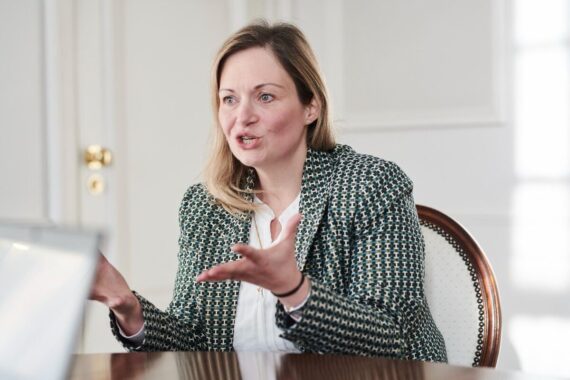


GPs are ‘not good at acting collectively’, leading the BMA to organise ‘gentle cumulative steps’ to unify the profession, the union’s GP committee chair has said.
Dr Katie Bramall was addressing the local dental committees (LDC) conference in Manchester today, when she told dentistry representatives that if they are planning collective or strike action they ‘better make sure everybody understands the importance of that action’.
It comes as the BMA’s GP committee confirmed earlier this week that it is going ahead with collective action escalation in protest at this year’s imposed GP contract.
GP practices across England have been asked to begin the next phase of collective action by removing or ignoring any non-contractual medicines optimisation software for new prescriptions.
This is the second action practices have been asked to take, in a series of actions potentially escalating every month. In May, GPs had been asked to notify their ICB that they are stopping voluntarily sharing data using a template letter provided by the union’s GP committee.
Dr Bramall said: ‘If you take action, you better make sure everybody understands the importance of that action, what it’s going to take to build that leverage.
‘Now, our challenge as a professional general practice: we’re not good at acting collectively, we’re too independent and individual, and that’s a strength. We’re autonomous, grumpy bastards, but when it comes to acting collectively, I’m the chief cat herder, and I bear the scars.’
She also said that ‘potential referenda’ can be used as leverage before beginning any kind of action.
The GPC announced last week it will ballot GPs in England on a ‘plan B’, or an ‘alternative strategy’ for general practice that would allow GPs ‘greater freedom to provide private services to their patients’.
And GP leaders have said that leaving the NHS could be used as ‘leverage’ by GPs during the ongoing collective action.
Dr Bramall added: ‘When you announce potential referenda, that’s where your leverage is, because often in collective action you might see the leverage drop off, because the opportunity for peace has gone – your leverage is when you announce, and then when you go into action, potentially, that’s your window of opportunity.
‘That’s why you need to think about warming up, simmering up the profession, gentle cumulative steps, so everyone genuinely understands and buys in.’
The conference is being covered extensively by Pulse’s sister title GDPUK, which recently became part of the Cogora group of titles aimed at healthcare professionals.
Related Articles

READERS' COMMENTS [2]
Please note, only GPs are permitted to add comments to articles







GPs are phenomenal at acting collectively, when it is in our business interest to do so: such as opening at 8 and closing at 630, we all do that, seeing patients, we all do that, sorting home visits, we all do that, signing prescriptions, we all do that, running the business and being flexible to changes from on high, we all do that. Sorry to disappoint that not everyone sent the silly letter.
Quite why any Partner would choose to be a BMA member and fund the enemy is a mystery.