

‘Everyone is damned in the GP fit note saga’
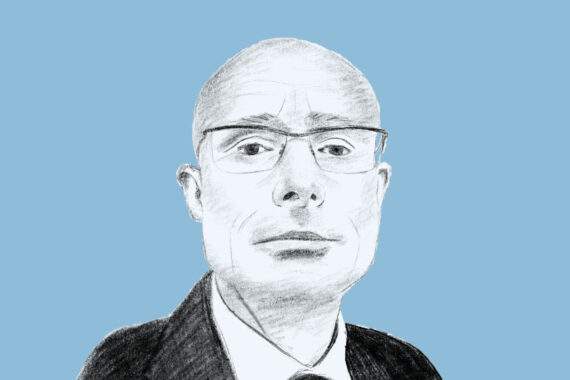


Dr David Turner explains why the latest criticism of GPs over sick notes is hardly surprising when the system rewards quick and easy signatures over arguments with frustrated patients
Medical certificates, the old chestnut that has been gently tanning itself on the dying embers of the DHSC’S brazier for most of my career, has raised its head again recently. According to a BBC News article, ‘hundreds of GPs said they have never refused to sign a patient off work for mental health issues’.
But I ask you readers: is this really that unexpected – or newsworthy at all?
Given the choice between ending a consultation with a patient in less than 30 seconds, giving them what they came in for and you the chance to catch up in your clinic; or the prospect of an argument with a disgruntled patient and a looming potential complaint while acting in role of unpaid benefits agency doctor – what do people think most GPs will choose?
The ‘reform’ several years back was to make ‘sick’ notes ‘fit’ notes. The idea being that we say what a patient can do – not what they cannot.
It is a nice idea in theory, but it only works for those very motivated patients who genuinely want to be in work but need to have some activities restricted. For example, someone with back pain wanting to be okayed for light duties at work but excused from heavy lifting. That is all well and good, but in my experience only comprises a very small percentage of patients. Most just say they are not fit for work at all. And because in most cases we have no idea of the circumstances of their employment, we have little choice but to comply with their request.
Since the dawn of time, there have been grumblings and calls for reform amongst the ranks of GPs. The suggestion that sick certification should be entirely removed from primary care and administered by a separate service staffed by doctors who are not the patient’s own GP has its pros and cons, but is unlikely to gain any traction with the Treasury in the current economic climate.
Also, we have to be careful what we wish for, as I have no doubt that the Government would love nothing more than to chip away further at our responsibilities, and see it as an excuse to further cut funding to primary care.
So what would make a difference? Well, we could start by looking at the sort of patients who should take time off sick but cannot and will not. That is usually the self-employed and those on zero hours contracts who do not receive any sick pay. In my experience the patients that are most likely to ask for time off, are those in secure employment who get paid to be off.
Nobody wants a system where genuinely ill people cannot take paid time off work to recover, but over my career I have witnessed hundreds of examples of lead swinging just because it is a possibility. We all know the Monday morning ‘sickie’ following a heavy weekend. The approach to Christmas leads to frequent requests to: ‘Just sign me off until the start of January.’
Solutions? Well, how about not paying people for the first day of illness? This would cut out the hangover sick days, but those with flu could still take a week to recover knowing they will still get 80% of their pay. Some large employers have set up wellbeing centres to support people with health conditions in work. More could be done to encourage other big businesses to follow this model.
In terms of what the Government can do, I have to say that Wes imposing triage on us has not helped this issue at all. Given that we have two minutes for each triage, and that a whole pile each day will be med cert requests, we have little choice but to issue as requested. Similarly, the incoming statutory changes meaning employers will have to pay employees sick pay from the first day of work will not help reduce the number of Med 3s issued.
I do have a little sympathy with the Government on this issue though. Because whatever reforms they make to medical certification and sickness benefits they will be vilified by one group or another. Damned whatever they do.
It’s a bit like being a GP.
Dr David Turner is a GP in Hertfordshire
Have you got a view you want to share with Pulse?
We’re always open to first-hand pieces and opinions from GPs.
Email your piece for consideration to be published on our site.
Related Articles

READERS' COMMENTS [2]
Please note, only GPs are permitted to add comments to articles






We can’t enter a patient’s brain to know the extent of their pain or depression; and we can’t observe them at work to see their working conditions.
What choice do we have but to rely on their own estimation?
It’s not always possible for employers to accommodate reduced hours or light duties.
The group I’m really concerned about are the under 25 year olds who have never worked. They probably never will.