

‘You think being a GP in this heatwave is bad? Spare a thought for those in 1976’
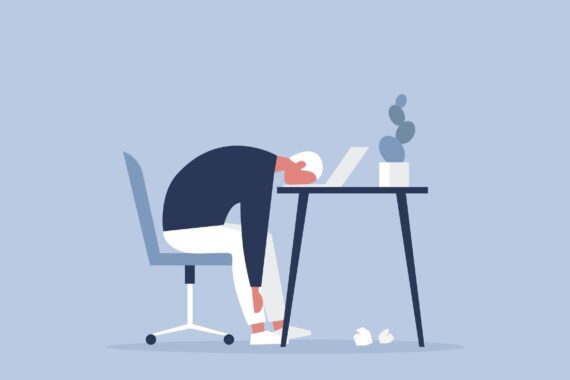


Following last week’s record-breaking heatwave, Dr Burnt Out contemplates how the GP experience has changed since the summer of 1976 and how it could be worse
The last time GPs were working in such heat was apparently in the scorching summer of 1976, when it’s likely some GPs cooled down by jumping into a public fountain at lunchtime or suchlike.
Going to the GP in 1976 was a very different business than it is today. Back then, most of the GPs were men, many smoked; and even more wore brown corduroy and paisley shirts with big lapels and had sideburns.
Importantly, there were no computers or emails or e-consultations. GPs simply scribbled ‘cough, Amoxil’ illegibly with biros in the margins of Lloyd George notes. GP waiting rooms were full to the brim of patients and contained ashtrays (including the iconic 1970s ‘frolicking mackerel’ ashtrays).
On the radios in the GP surgeries in 1976 whilst patients were reading copies of Jackie and Reader’s Digest that were laid out on waiting room tables, you’d hear songs like ABBA’s Dancing Queen and Anarchy in the U.K. by the Sex Pistols.
Nearly all GPs did home visits on a daily basis which meant them getting out of the surgery for a couple of hours. GPs didn’t stare at screens non-stop for 12 hours every day (which apparently according to research we have nowadays is bad for you?) And the drives to those home visits may have been made in a brown Austin Allegro that was slowly rusting and had clutch issues.
Now to the prescribing habits of the 1976 GP.
In 1976 the pharmaceutical landscape was dominated by the rapid rise of minor tranquilizers, tricyclic antidepressants and widely used analgesics. The era’s heavy prescribing habits cemented specific medications as household names such as Valium (highly addictive ‘mother’s little helpers’) and tricyclic antidepressants: a treatment for depression that whilst often was effective could be highly toxic and fatal in overdose.
The television programming of the 1970s also gave an insight into the perception of general practice back then. Both The Good Life and Fawlty Towers featured GPs; the appearances in both being the = older, male, grumpy besuited GP seemed to be the stereotypical the GPs of the time.
So, as you sit in your sweltering un-air conditioned GP surgery, with your face not being cooled down by the malfunctioning fan in front of you, think about our GP forbears from 1976 and what they had to endure. No emails, no e-consultations, long lunch breaks where they could get out of the surgery driving around an ironically bad but weirdly so bad it’s good cult car, a waiting room of iatrogenically sedated patients, iconic classic hits on the radio and comedy masterpieces on television.
Sounds awful doesn’t it?
Oh for the summer of 1976…
Dr Burnt Out is a GP locum in London
Have you got a view you want to share with Pulse?
We’re always open to first-hand pieces and opinions from GPs.
Email your piece for consideration to be published on our site.
Related Articles

READERS' COMMENTS [2]
Please note, only GPs are permitted to add comments to articles







Them ” we just opened the windows in 1976. Dont know what the problem is”
me “its 40 degrees. Thats the problem…”
Tricyclics are as relevant now as they were 50 years ago.
They are the Rod Stewart of pharmaceuticals.