

HPV vaccine has prevented 200 cervical cancer deaths in England so far
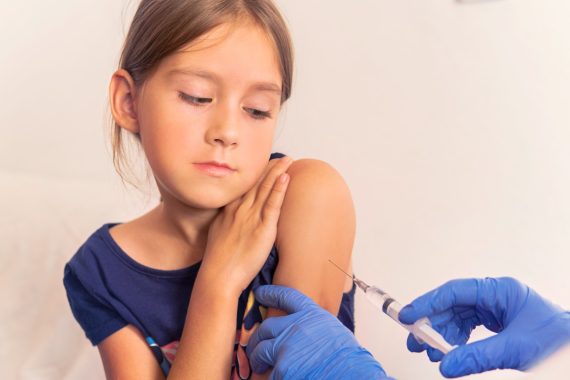


Women who received an HPV vaccine as young teenagers have virtually zero risk of dying from cervical cancer before the age of 30, UK researchers have calculated.
Their analysis reported in The Lancet also found that the HPV vaccine has prevented 200 deaths from cervical cancer in England so far.
The number of lives saved will grow as vaccinated generations grow older, and more people receive the vaccination, the team from Queen Mary University of London said.
But progress made is at risk due to falling uptake rates, experts warned.
The school-based HPV vaccination programme was introduced across the UK in 2008 for 12-to-13-year-old girls and was extended to eligible boys in 2019.
Catch-up jabs have been available via GP practices up to the age of 25 years.
The analysis of rates of cervical cancer mortality in women in England after the national vaccination programme came in, also found no deaths from cervical cancer in women aged 20-24 years in England for the first time between 2020 and 2024.
At the point they were offered the immunisation, HPV vaccine coverage was close to 90%.
Professor Peter Sasieni, professor of cancer epidemiology at Queen Mary University of London said: ‘This is the first study to highlight the impact of HPV vaccination on cervical cancer mortality.
‘It’s amazing news that no women aged between 20-24 died from cervical cancer in the whole of England between 2020 and 2024.
‘That remarkable fact is thanks to nearly 90% of Gen Z women having received the HPV vaccine through the school vaccination and catch-up programmes.’
He added the findings show ‘just how vital it is to keep HPV vaccination levels high so more people are protected’.
Currently uptake of the vaccine remains below the level needed to eliminate cervical at just 76–86% of girls and 71-80% of boys by the age of 15 years, with even lower uptake rates in more deprived areas.
The researchers called for a stepping up of efforts to boost vaccination rates with sustained investment and targeted action including obtaining consent, local authorities ensuring they complete required HPV vaccine catch-up activity, and measures to address vaccine hesitancy.
Michelle Mitchell, chief executive of Cancer Research UK, said: ‘This is an incredible milestone and major progress in our mission to beat cancer.
‘We know the HPV vaccine is extremely effective at stopping cervical cancer before it starts and for the first time, these findings show it is saving lives – a powerful example of what’s possible when science is backed by strong public health programmes.
But she added with uptake having dropped, the progress made was at risk.
‘It’s essential that the UK Government and health systems urgently address this with targeted action to reach communities where uptake is the lowest.’
Last year, the NHS in England changed cervical cancer screening intervals from three to five years for women aged 25 to 49 years who have a negative HPV test.
Visit Pulse Reference for details on 140 symptoms, including easily searchable symptoms and categories, offering you a free platform to check symptoms and receive potential diagnoses during consultations.







