

Women missing first mammogram have 40% higher risk of breast cancer death
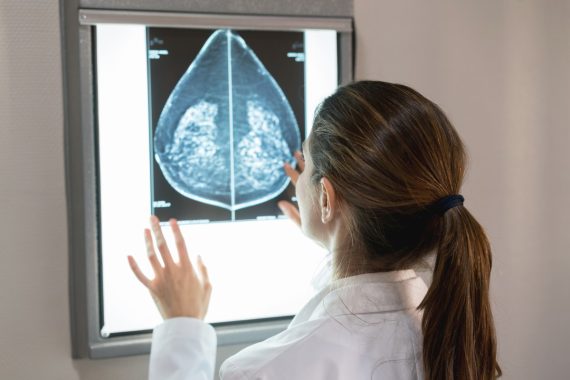


Women who don’t turn up for their first breast screening appointment face a 40% higher risk of dying from breast cancer in the long-term, a Swedish study has reported.
The increased risk is largely down to delayed detection and targeting this group could help reduce deaths at a population level, they concluded in the BMJ.
Analysis of Swedish registry data for nearly half a million women who received their first screening invitation between 1991 and 2020 showed almost a third did not attend their initial screening.
They were persistently less likely to attend subsequent screenings and were more likely to be diagnosed with advanced stage breast cancer than participants, the researchers reported.
Over 25-years of follow up and taking into account social, economic, reproductive, and health-related factors, 9.9 per 1,000 women who did not attend their first screening died of breast cancer compared with 7 per 1,000 who did.
But the breast cancer rate was similar between the two groups, the researchers reported at 7.8% of those who did attend their first screening and 7.6% of those who did not.
It suggests that the higher deaths among non-participants likely reflects delayed detection rather than increased incidence, they concluded.
‘Our study shows that first screening non-participants represent a large population at an elevated risk of dying from breast cancer decades in advance.
‘This increased mortality is modifiable and primarily attributed to late detection.’
They added: ‘Targeted interventions are warranted to boost adherence to mammography screening and decrease the mortality risk for those who did not participate in the first screening.’
A linked editorial noted that ‘ensuring that women are informed, supported, and empowered to participate in their first screening should be a shared goal across the healthcare system’.
In May, UK researchers said additional scans on top of mammography can detect more cases of breast cancer when offered to women with very dense breast tissue.
A trial of more than 9,000 women at 10 sites found that extra imaging done with abbreviated MRI or contrast-enhanced mammography picked up cancers that had not been detected with standard mammogram.
If the approach was adopted on the NHS, the extra scans could treble cancer detection potentially saving up to 700 lives a year in the UK, the researchers at the University of Cambridge reported in The Lancet.
Earlier this year it was revealed that more than 5,200 people were not invited for routine screenings including bowel, breast and cervical cancer screenings, due to issues with ‘incomplete’ GP registrations.
The latest figures for England suggest around 70% of women take up the invitation for a mammogram.
Claire Rowney, chief executive at Breast Cancer Now, said: ‘Despite breast screening being the most effective way to find breast cancer early, when survival is highest, thousands of women in the UK continue to miss out on this vital health check and those who miss their first appointment are much less likely to go in future.
‘With a worryingly high number of women in the UK not attending their first breast screening appointment, we urgently need to ensure women are encouraged to get screened, and that screening is easily accessible to all invited.’
Visit Pulse Reference for details on 140 symptoms, including easily searchable symptoms and categories, offering you a free platform to check symptoms and receive potential diagnoses during consultations.
Related Articles

READERS' COMMENTS [1]
Please note, only GPs are permitted to add comments to articles







Is this evidence that breast cancer screening prevents death from breast cancer?
Certainly that would plausibly account for the findings.
The separate groups, attenders Vs non-,attenders is not random; those who choose to attend are likely different to those who do not attend; more concerned about their health, more compliant with medical intervention, more organised lives; characteristics that are likely to improve survival with or without screening.