

Risk calculator gives personalised prediction for statin muscle side effect risk
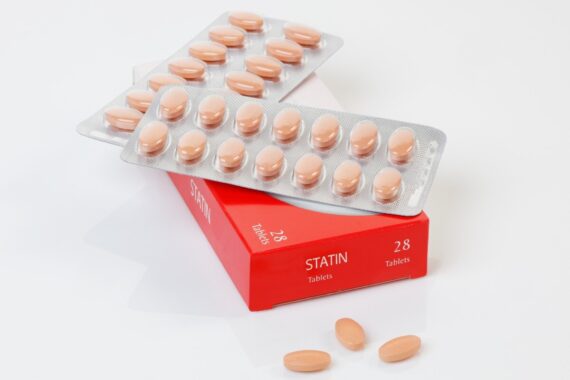


A risk calculator that estimates a person’s risk of developing serious muscle disorders from taking statins could help doctors reassure patients, researchers at the University of Oxford report.
The StatinMD risk calculator predicts the risk of serious muscle disorders in the next one, five, and 10 years for an individual eligible for statin treatment for prevention of cardiovascular diseases.
An analysis published in The Lancet Digital Health, showed the calculator assessed more than 98% of people identified by their GPs as eligible for statin treatment to be at low risk of serious muscle disorders over the next decade.
Yet it also found that more than 60% of people eligible for statin treatment were not taking the drugs, despite some being at high risk of heart attack or stroke.
The tool could help patients and clinicians make more informed decisions about using statins for prevention, the team concluded.
And using the calculator to provide patient-specific estimates of risk, rather than relying solely on population averages or general concerns about side effects, could help GPs have treatment discussions with patients, they added.
It was developed and validated using anonymised health records from more than 5.6 million people registered with GP practices across England.
The calculator takes into account 22 routinely recorded factors, including age, sex, ethnicity, body mass index, smoking status, existing health conditions, previous muscle problems, vitamin D deficiency, medication use and statin prescription, to estimate an individual’s risk of serious muscle disorders.
Researchers looked at serious muscle disorders leading to hospital admission or death, rather than milder symptoms such as muscle aches and pains.
They pointed to previous studies showing many mild muscle symptoms reported during statin treatment are not actually caused by the medicines.
GPs could use the calculator alongside cardiovascular risk tools such as QRISK, the researchers said.
Study lead Dr Ting Cai, research fellow in the Nuffield Department of Primary Care Health Sciences at the University of Oxford, said: ‘Serious muscle disorders are one of the most widely discussed concerns about statins, but our findings suggest that the risk is very low for the vast majority of people who may benefit from treatment.
‘Understanding a person’s risk can help put those concerns into perspective, support more informed treatment decisions and provide reassurance.
‘For the small number of people at higher risk, it gives clinicians a clearer basis for discussing monitoring, checks or alternative treatment options.”
Co-author Professor James Sheppard, professor of primary care research at the University of Oxford and a senior author of the study, noted that treatment decisions are often based on estimates of a person’s future cardiovascular risk, but much less information is available about their individual risk of adverse outcomes.
‘Bringing those two pieces of information together could support more personalised and better-informed decisions about statin treatment.’
Visit Pulse Reference for details on 140 symptoms, including easily searchable symptoms and categories, offering you a free platform to check symptoms and receive potential diagnoses during consultations.
Related Articles

READERS' COMMENTS [2]
Please note, only GPs are permitted to add comments to articles







Fab .. good work Oxford !
The risk calculator states can only be used for research use. NOT for clinical use!!