GPs with patients impacted by faulty diabetes tests to come forward
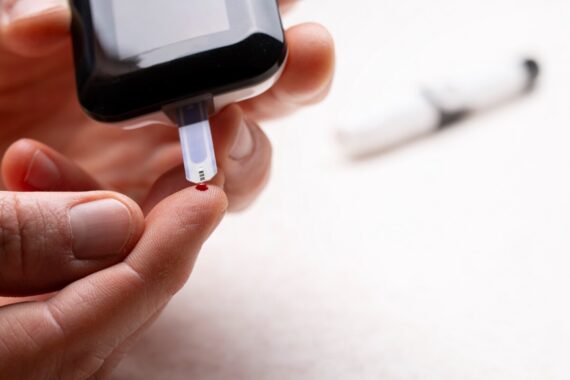


The BMA has asked practices affected by a national issue with faulty diabetes blood test results to get in touch.
It follows an investigation by the BBC which found that 55,000 people will need further tests after machines used in laboratories at 16 hospital trusts were found to be faulty.
Trinity Biotech, the company that makes the machines that had produced inaccurate results, said it had contacted all hospitals involved and was working closely with the UK health regulator.
Last year it was reported that 11,000 patients would need retesting due to errors in diabetes test results at Luton and Dunstable hospital.
In July the Medicines and Healthcare Regulatory Agency said it had received reports of ‘positive bias’ in HbA1c results with the specific machine which had led to patients being incorrectly diagnosed as pre-diabetic or diabetic.
For some patients this has meant being put on medication that they did not need.
It advised healthcare professionals to inform patients to seek medical attention immediately if adversely affected following any changes to medication, including symptoms of hypo or hyperglycaemia.
Any issues should be reported through the Yellow Card scheme, it said.
NHS England said anyone who needs a repeat test will be contacted by their GP or local hospital and confirmed that 55,000 people would be recalled.
A spokesperson also confirmed that national data shows that 10,000 additional diagnoses of type 2 diabetes in 2024 compared to what would be expected, representing an extra 4%.
It added that most people would have been given lifestyle advice and support programmes first making the risk low, but the BBC had a case study of a woman in Hull who had been prescribed metformin before later being told she did not have diabetes and ended up complaining to her GP.
NHS diabetes national clinical director Dr Clare Hambling said: ‘Being potentially misdiagnosed with any long-term condition, such as type 2 diabetes, is understandably worrying, however the clinical risk of harm to patients following this issue is low.
‘Less than 10% of NHS laboratories were affected and all have either replaced the machines or addressed calibration issues following MHRA advice in July – and anyone requiring a repeat test will be contacted by their GP or local hospital.’
RCGP chair Professor Kamila Hawthorne said that while errors can happen, the prospect of widespread technology failures like this will be of huge concern for all GPs, ‘primarily because of the unnecessary distress, inconvenience and anxiety they can cause our patients’.
‘GPs and our teams will be working hard to ensuring that potentially affected patients have the correct tests, any appropriate aftercare and that their medical records are accurate and up to date.
‘Whilst this will be their immediate priority, it will also have a significant impact on their workload, so it’s vital that GP teams impacted receive the support they need.’
The BMA said practices affected should let them know at [email protected].
Visit Pulse Reference for details on 140 symptoms, including easily searchable symptoms and categories, offering you a free platform to check symptoms and receive potential diagnoses during consultations.

 Oviva’s fully remote Tier 3 Weight Management programme