

GP numbers have not kept pace with ageing population, Age UK warns
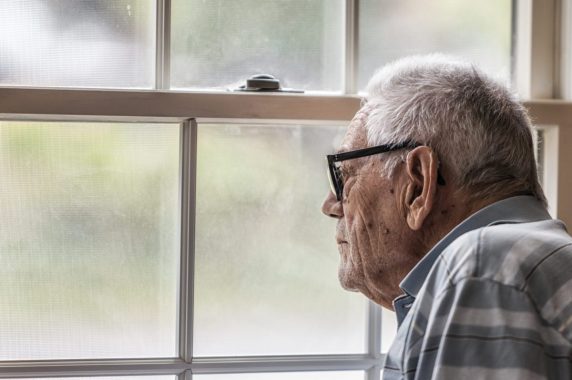


Older people are bearing the brunt of a struggling NHS and social care system, with Age UK warning there are not enough GPs to care for them.
Among a raft of issues, the older people’s charity found that the number of GPs has not kept pace with an ageing population which it called for the Government to address in its upcoming NHS workforce strategy.
GPs are working beyond their safe limits, with some areas including Bedfordshire and Kent and Medway having more than 2,000 over 65-year-olds per full time equivalent GP.
It called on the Department of Health and Social care to standardise the maximum GP list size, taking into account the size of the older population.
The analysis by the charity found older people who need help from the NHS or social care cannot access it quickly – and sometimes not at all – with growing inequality between those who are able to pay for care or operations and those who cannot.
Those in deprived areas – often the most under-doctored areas – have shorter period of life spent in good health, it added.
And fewer older people are receiving social care support compared to a decade ago and most services are over-stretched and under intense pressure, the report found.
The analysis also showed that the percentage of people over 65 with common mental health problems, including anxiety and depression, who are receiving no treatment is higher than for every other age group.
It noted that 28% of people aged 65 and over felt the length of time they waited for a GP appointment was too long.
Respondents to the British Social Attitudes Survey conducted between September and October 2024 said most important priority for the NHS should be making it easier to get a GP appointment (51%).
The impact of the pandemic can be seen in an accelerated health decline in older people after Covid-19 as well as growing NHS waiting times which remain at record levels, the report said.
But it also reflects a legacy of chronic long-term underinvestment with more than a decade of insufficient funding and workforce planning that has led to shortages of GPs, hospital beds, and social care professionals, it concluded.
Around 16% of people aged over 65 in England are unpaid carers, picking up the pieces of a social services system that is now reserved for a small proportion with a very high level of need.
There are some positives – including the NHS 10-Year Health Plan and an independent commission looking at the future of health care – but concrete action is needed, the charity said.
Caroline Abrahams, charity director at Age UK, said while staff were making enormous efforts turn the situation around, the NHS and social care was under ‘unprecedented pressure’.
‘The uncomfortable truth though is that at present, many older people are not able to get the high-quality healthcare and social care support they need – and they do not have time on their side.
‘Sadly, the result is that inequalities are growing and those who are least advantaged are being left further behind. The starkest evidence of this are gaps in healthy life expectancy the scale of which shame us as a nation.’
She added: ‘We have to go as fast as we possibly can now in achieving transformational change in community-based health and care services, as the NHS will never run optimally until this task is complete.’
Dr Adrian Hayter, medical director for clinical policy at the RCGP, said: ‘We recognise and are saddened to hear that older people are bearing the brunt of a rundown health and care system, and we agree with Age UK’s calls for more funding for frontline general practice and community services as well as reversing years of underfunding in social care.
‘The unfortunate truth is that we simply don’t have enough GPs for the number of patients who need care.’
Figures show GPs and their teams are delivering record breaking number of appointments without a corresponding rise in GPs, he said.
But prioritising care for older people was also about working with other professionals and carers to recognise what is important to the older person and providing more integrated personalised care, he added.
‘The College recently launched a GP with Extended Role framework in frailty which helps supports GPs and their teams to provide more specialised care.’
A Department of Health and Social Care spokesperson said: ‘We know that elderly people have been failed by the health and care system in the past, and we’re determined to fix this.
‘That’s why we have commissioned Baroness Casey to provide an independent roadmap to building a National Care Service – with the first steps due next year.’
Visit Pulse Reference for details on 140 symptoms, including easily searchable symptoms and categories, offering you a free platform to check symptoms and receive potential diagnoses during consultations.
Related Articles

READERS' COMMENTS [1]
Please note, only GPs are permitted to add comments to articles







**A Department of Health and Social Care spokesperson said: ‘We know that elderly people have been failed by the health and care system in the past, and we’re determined to fix this.**
And that’s why we’ll be forcing GPs to moving to a digital preferred model from October, despite knowing that the Elderly find this harder to access……
Oh, there’ll be fewer face to face appointments also, as your Doctor will be busy responding to eConsults. Sorry.