
MPs demand answers on whether the UK is prepared for Ebola
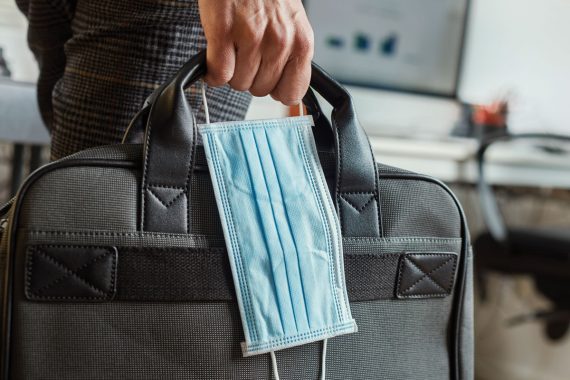


The Government has been quizzed by MPs on whether the UK is ready for Ebola after France reported its first case.
In a letter to the chief medical officer Professor Sir Chris Whitty, the Health and Social Care Committee has asked for details on preparedness at the border, surveillance and testing, and clinical readiness within the NHS.
Also addressed to public health minister Sharon Hodgson, the letter also asks how the Government and its arms-length bodies are collaborating with international partners to manage, prepare and respond to the threat.
France identified its first case of Ebola on 24 June, in a doctor who had returned from a humanitarian mission in the Democratic Republic of Congo DRC.
The World Health Organisation declared an Ebola outbreak in the DRC last month but given the spread of the disease experts believe the virus could have been circulating for weeks if not months before the alarm was raised.
So far 360 people are confirmed to have died from the virus while more than 1,200 people have been infected.
The committee said it wanted more information on how the Government was responding to the ongoing Ebola outbreak and given the case in France, ‘what steps are being taken to reduce the risk to the public from this high-consequence infectious disease’.
MPs asked for a briefing on how the issue, including preparations for the NHS response, was being prioritised.
Health and Social Care Committee chair Layla Moran said: ‘With so many major stories and issues taking up the Government’s bandwidth, we are seeking assurance that preparations have been made to prevent Ebola from arriving in the UK, and that any detected cases would be safely contained.
‘The fact that France has recorded its first Ebola case should be a wake-up call.
‘And with plenty of lessons to learn from the Covid pandemic, we should expect our public health system to have its act together.’
The UK Health Security Agency issued advice at the start of June asking healthcare professionals to be alert to signs of Ebola in anyone acutely unwell with history of recent travel to the DRC or neighbouring Uganda.
It also set out the steps to be taken in primary care settings if a patient with suspected Ebola is seen in the practice, including isolating the individual immediately.
Clinical services should make sure they have pathways in place for assessment and management of Ebola disease within their setting, it continued.
Visit Pulse Reference for details on 140 symptoms, including easily searchable symptoms and categories, offering you a free platform to check symptoms and receive potential diagnoses during consultations.