

Optometrists to prescribe wider range of eye drugs to relieve GPs, Government proposes
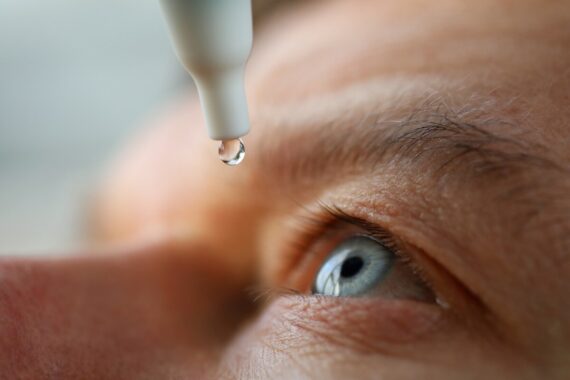


Some common and emergency eye conditions could be treated with drugs obtained on the high street, under Government proposals to change the prescribing rules.
The move would help alleviate pressure on GPs and hospital eye services and ties in with more eye services being commissioned in the community, the proposals said.
Under the recommendations, high-street providers would be able to prescribe azithromycin and gentamicin for bacterial conjunctivitis and epineastine for allergic conjunctivitis.
The professions in scope for the consultation include registered optometrists, additional supply optometrists, registered dispensing opticians and contact lens opticians.
Other proposed changes under consultation include the provision of acetylcysteine, for tear film abnormalities and diclofenac sodium for pain and inflammation after cataract surgery, and to treat seasonal allergic conjunctivitis.
Azelastine hydrocholoride, ketotifen, olopatadine and lodoxamide for allergic eye conditions would also be prescribed by optometrists under the recommendations.
And pilocarpine hydrochloride and pilocarpine nitrate for reducing the pressure inside the eye will be available for optometrists to give as an emergency treatment for patients with suspected acute angle closure glaucoma.
Allowing easier access to these medicines ‘will ensure there is no delay in patients being able to access emergency treatment to reduce eye pressure’, which will in turn lower the risk of avoidable sight loss, the proposals said.
Optometrists can already prescribe some medicines including chloramphenicol eye drop and ointment under certain exemptions but this has not been updated since 2012.
The proposals are now open for consultation and are part of plans across the UK to make better use of the primary care eye workforce, the Government said.
It noted that during 2024 to 2025, 1.99 million of the medicines covered by the proposals, including chloramphenicol, were prescribed by GPs, walk in centres, out of hours services, and urgent and emergency care (A&E) in England.
Health minister Stephen Kinnock said the Government was shifting more care out of hospital and into the community – getting care to patients’ doorsteps by empowering healthcare professionals in communities.
‘These proposed changes would unlock the full potential of optometrists and contact lens opticians, cutting red tape and making it easier for patients to get treatment for minor eye conditions, such as allergic conjunctivitis, without the need to visit their GP or hospital unnecessarily – freeing up appointments in hospital and primary care.
‘As we build an NHS fit for the future, we are putting patients first, delivering care on their doorstep, making the best use of our skilled health professionals, all while boosting productivity and efficiency.’
Dr Peter Hampson, optometrist and clinical and policy director at the Association of Optomotrists, said: ‘Our sector has the premises, the equipment and the clinical skills to deliver specialist eye care for a range of conditions.
‘But the profession’s potential is currently being restricted by outdated exemptions within the Human Medicines Regulations, which too often means optometry has to redirect patients to their GP so that they can be given simple medications for allergies.
‘Widening the access of medicines for all optometrists and contact lens opticians will transform the experience for the public.’
Visit Pulse Reference for details on 140 symptoms, including easily searchable symptoms and categories, offering you a free platform to check symptoms and receive potential diagnoses during consultations.
Related Articles

 What do people really know about rare diseases?
READERS' COMMENTS [2]
Please note, only GPs are permitted to add comments to articles







Those azithromycin drops have got to do a lot of heavy lifting to ‘transform the experience for the public’. Poor old public had to put up with chloramphenicol up ’til now.
That old chestnut, instead of properly funding primary care, allow the private sector to do more and more, while pretending it will benefit patients and GPs alike.