

RCGP urges chancellor not to raise taxes for practices amid GP unemployment crisis
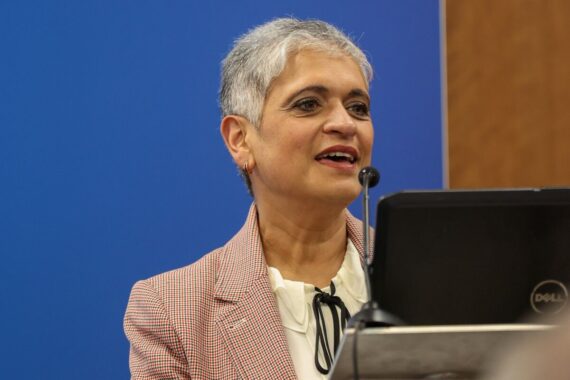


The chair of the RCGP has urged the Government not to hike taxes for GPs as this will worsen the unemployment crisis.
In a speech opening the college’s conference in Newport today, Professor Kamila Hawthorne urged chancellor Rachel Reeves to consider the impact tax rises have already had on GP practices, which meant that they ‘can’t afford to replace’ GPs who are retiring, ‘let alone take on more GPs’.
She urged the chancellor to consider this ahead of the Autumn Budget next month, following ‘rumours of further hikes that would likely impact partners’.
It comes after earlier this year plans for a national insurance contributions (NICs) increase, which would affect 96% of GP practice partnerships and raise £250m, were ‘presented to the Treasury for consideration’ as a way to raise revenue in the budget.
Last year, in her first budget as chancellor, Ms Reeves announced a NICs rise to 15%, which increased costs for GP practices by £180-200m nationally.
Professor Hawthorne told the conference: ‘We know patients are crying out for appointments, and GPs can’t keep pace with demand, so why aren’t practices snapping up the new recruits?
‘One experienced GP explains why her practice isn’t recruiting. They’re all working flat out and have recently lost a part-time GP, but the partners have decided they couldn’t even afford to replace this post, let alone take on more GPs.
‘The increased cost of the National Insurance rise she says amounts to about £40,000 a year for her practice.
‘So with rumours circulating of further hikes that would likely impact partners ahead of next month’s budget, we’re saying: please Rachel, no more.’
Professor Hawthorne also called on the Government to make sure that the refreshed NHS workforce plan ‘isn’t another missed opportunity’, and instead delivers ‘a clear roadmap to train, recruit and retain the GPs that we desperately need’.
Ahead of the conference, the college revealed the results of a new survey which found that almost three quarters of GPs said patient safety is being compromised by their workload.
She added: ‘This is not just about the impact on us, crucially, it’s about the impact on our patients. In our recent survey, 74% of our members told us that patient safety had been compromised by workload.
‘Fewer than 30% said they’d had enough time during consultations, and more than half reported that their own mental health had declined in the last year, it’s hard to find a GP who doesn’t feel they’ve had to cut corners.
‘Perhaps it’s no surprise that so many GPs plan to leave the profession, and that the biggest cause is stress, not retirement, but stress.’
A Government spokesperson said: ‘We are reversing more than a decade of neglect in GP practices and are already seeing rising patient satisfaction. We have recruited more than 2,000 extra GPs in the past year, delivered a record £1 billion boost and cut red tape so doctors can spend more time caring for patients.
‘GPs will be the cornerstone of our Neighbourhood Health Service and we’ll shortly be setting out more details to support general practice to harness the benefits of this approach.’
Pulse has looked into GP unemployment as part of a major series earlier this year, exploring the extent of the problem.
Related Articles

READERS' COMMENTS [4]
Please note, only GPs are permitted to add comments to articles







Rule of thumb I read somewhere was that you had to add an extra 25% to the salary cost of any employee to cover things like NI, superann, sick leave, mat.leave.
A full time salaried GP is going to come with a cost of about £115k to the employing practice. Of course the partners are struggling to find that sort of money.
it’s closer to 33%
Things have gone up since I retired as a partner.
That makes the cost of a full time salaried GP at least £120k.
Probably more than most partners take as drawings.
The average income for an NHS GP partner in England is approximately £158,700 before tax for the 2023/24 financial year (most recent data from NHSE).