Managing autonomic neuropathy as a complication of diabetes
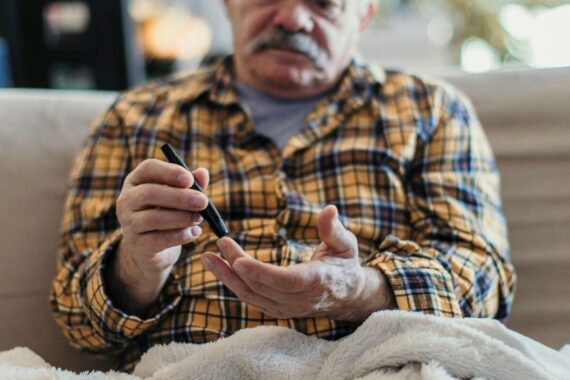


Clinical conundrum: GP and diabetes specialist Dr Patrick Holmes explains how to manage an elderly patient with diabetes discharged to primary care following a diagnosis of autonomic neuropathy with gastroparesis
Note cases in this series are hypothetical and for educational purposes
Case. A 78-year-old man with long-standing type 2 diabetes, on metformin and saxagliptin, returns after a hospital diagnosis of gastroparesis due to diabetic autonomic neuropathy. He also reports erectile dysfunction and dizziness on standing. He has been discharged to primary care and asks what can be done.
1. How common is autonomic neuropathy, what drives risk and can tighter diabetes factor control reverse it?
Autonomic neuropathy, especially cardiovascular autonomic neuropathy, is common in long-duration diabetes. Approximately one in three people with type 2 diabetes may be affected.1 Risk rises with age, duration, hyperglycaemia, hypertension, dyslipidaemia and obesity. It clusters with other microvascular complications and is associated with an increased risk of cardiovascular events and mortality.1,2
Tighter glycaemic control reduces incident neuropathy most clearly in type 1 diabetes. In type 2 diabetes, intensive control lowers microvascular risk, but established autonomic neuropathy seldom reverses. In older adults, targets should be individualised to avoid hypoglycaemia.2,3
The bottom line is that you can expect progression to slow with comprehensive risk factor management. However, do not promise reversal once established.2,3
2. Which systems are impacted and how might these present in primary care?
Autonomic neuropathy can affect several systems as follows:
- Cardiovascular. Resting tachycardia, exercise intolerance, orthostatic hypotension, syncope, falls. Presence of cardiovascular autonomic neuropathy signals increased risk of other microvascular complications.1,2
- Gastrointestinal. Early satiety, bloating, nausea, vomiting, erratic glycaemia due to delayed gastric emptying. Diagnosis of gastroparesis requires objective delay on 3- to 4-hour scintigraphic solid-meal gastric emptying after excluding obstruction.
- Genitourinary and sexual function. Erectile dysfunction, retrograde ejaculation, voiding dysfunction with retention or recurrent UTIs.1,4
- Sudomotor and other. Dry feet, altered sweating, pupillary and tear changes, hypoglycaemia unawareness.1,3
If a patient shows one autonomic complication, screen for others. Use targeted history and examination, for example postural blood pressure and hypoglycaemia awareness.
3. What can you do in primary care?
The following general principles should be applied:
- Confirm the diagnosis, consider differentials. Address contributors such as dehydration, alcohol, B12 deficiency, thyroid disease, and medicines that worsen symptoms such as anticholinergics, alpha blockers and opioids.2
- Optimise cardiovascular risk. Cardiovascular death remains the leading cause of mortality in this group. Smoking cessation, statin if indicated, blood pressure control with standing readings, weight management, physical activity as tolerated.2
- Individualise HbA1c for safety. In older or frail adults, prioritise avoidance of hypoglycaemia. Appropriate structured education on risks and monitoring to prevent and detect hypoglycaemia. Consider continuous glucose monitoring (CGM) for insulin-users, as per your local guidelines. Involve the diabetes specialist nurse for training and troubleshooting.2,3
- Review glucose-lowering therapy. DPP-4 inhibitors produce modest HbA1c reductions. Consider an SGLT2 inhibitor if frailty allows, given cardiovascular and renal benefits in line with UK guidance. Seek specialist advice if considering GLP-1 receptor agonists. Coordinate changes with specialist teams if uncertainty.2,3
For gastroparesis management (this patient’s priority):
- Diet first. Small, frequent, low-fat, low-fibre meals. Liquid nutrition when needed. Chew well. Separate fluids from solids. Stabilise glucose around meals because hyperglycaemia slows emptying and worsens symptoms.5
- Antiemetics and prokinetics (needs specialist input):
- Metoclopramide may be helpful, but limit duration because of extrapyramidal effects – for example, may consider when waiting for specialist input or to manage symptoms for one-off events, such as holidays, where meal management may be more challenging.
- Domperidone is restricted because of QT risk; use short courses with appropriate ECG monitoring.
- Short courses of erythromycin can help, but tachyphylaxis limits use.
Refractory cases need direct gastroenterology assessment.5
- Insulin timing if used. To better match insulin action to the delayed glucose absorption due to gastroparesis, consider delayed bolus insulin (after eating or partway through the meal, instead of before, once clear the meal will stay down) or split bolus insulin (part before the meal and the rest later, for example 1-2 hours after eating). Ideally involve the Diabetes Specialist Nursing Team (DSN) and use CGM.2
Management of orthostatic hypotension:
- Measure properly. Lying then standing blood pressure with repeated readings over 3 minutes. Document symptoms and falls risk.3
- Non-drug measures first. Adequate fluids and salt intake if not contraindicated. Advise slow position changes and elevate head of bed. Smaller more frequent meals. Consider compression stockings or abdominal binders. Review and reduce any additional medicines contributing to the orthostatic hypotension.3
- Medicines when needed (needs specialist input). Fludrocortisone is used off-label. Midodrine is licensed for severe symptomatic orthostatic hypotension due to autonomic dysfunction. Monitor for supine hypertension and electrolyte change. Consider referral to syncope or falls clinic for persistent or disabling symptoms.6
Erectile dysfunction in diabetes:
- Take a focused history and examine for hypogonadism and Peyronie’s Disease. Check a morning total testosterone if features suggest hypogonadism. Offer a phosphodiesterase-5 inhibitor such as sildenafil unless contraindicated – for example, due to taking nitrates. Give practical counselling on correct use. Daily tadalafil is an option if on-demand dosing fails. Vacuum devices are alternatives. Refer to urology if refractory or complex.4
Multidisciplinary working:
- Use the broader team. DSN for education, insulin and CGM support. Community nursing and pharmacists for adherence and adverse-effect checks. Dietitian for gastroparesis diet. Falls teams for orthostatic symptoms. Involve specialist teams early through advice and guidance. Refer if any red flags or refractory symptoms arise.
In summary, a practical plan for this patient would be:
1. Full cardiovascular risk assessment and optimisation.3
2. Therapy review. Consider switching saxagliptin to an SGLT2 inhibitor if eGFR and frailty allow. Avoid agents that slow gastric emptying if symptoms are active. Set an individual target HbA1c with a safety focus.3
3. Gastroparesis care. Start dietary measures. Following advice and guidance, offer short-term antiemetic or prokinetic therapy if needed. Arrange gastroenterology follow-up if symptoms persist.5
4. Orthostatic hypotension. Confirm with lying and standing readings. Start non-drug measures. If still symptomatic, arrange a specialist-guided trial of fludrocortisone or midodrine. Safety monitor and consider falls service input.6
5. Glycaemia safety. If insulin is introduced, use DSN support and CGM alerts to cut hypoglycaemia risk. Adjust prandial insulin timing to gastric emptying pattern.²
6. Erectile dysfunction. Offer a PDE-5 inhibitor unless contraindicated. Check testosterone if indicated, and plan referral if poor response.4
Key points
- Autonomic neuropathy is common in long-standing diabetes. It associates with other microvascular complications, and increases risk of adverse outcomes. Screen proactively.
- Manage holistically. Optimise cardiovascular risk, individualise HbA1c, and prioritise hypoglycaemia avoidance.
- Gastroparesis management is diet-led. Avoid drugs that delay gastric emptying. Careful use of short-term prokinetics and early referral when refractory. Use insulin timing and CGM to improve safety.
- Treat orthostatic hypotension stepwise, start with non-drug measures, then consider midodrine or fludrocortisone with specialist input.
Dr Patrick Holmes is a GPwSI in diabetes in Darlington
References
- Eleftheriadou A et al. Cardiovascular autonomic neuropathy in diabetes: an update with a focus on management. Diabetologia 2024;67:2611–25
- American Diabetes Association Professional Practice Committee. 12. Retinopathy, neuropathy and foot care: Standards of Care in Diabetes 2025. Diabetes Care 2025;48(Suppl 1):S252–65
- NICE. Type 2 diabetes in adults: management. [NG28] Last updated June 2022
- Hackett G et al. British Society for Sexual Medicine guidelines on the management of erectile dysfunction in men 2017. J Sex Med 2018;15:430–457
- Camilleri M et al. ACG clinical guideline: gastroparesis. Am J Gastroenterol 2022;117:1197–122
- NICE. Orthostatic hypotension due to autonomic dysfunction: midodrine. 2015
Visit Pulse Reference for details on 140 symptoms, including easily searchable symptoms and categories, offering you a free platform to check symptoms and receive potential diagnoses during consultations.

 Oviva’s fully remote Tier 3 Weight Management programme