
Large NHS study provides ‘blueprint’ for type 1 diabetes screening in children
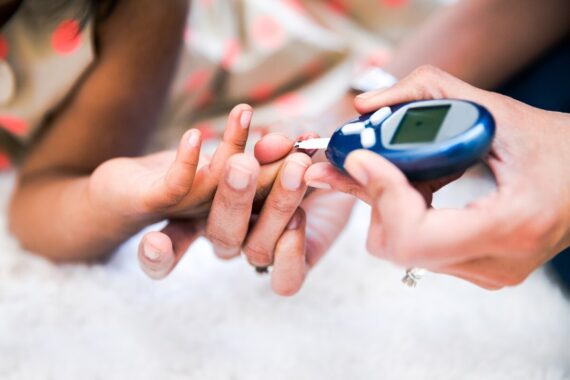


A two-year NHS study has confirmed the acceptability and feasibility of screening children for type 1 diabetes.
Results from finger prick blood samples from more than 17,000 children aged 3 to 13 years found 200 children at risk of the condition.
The Early Surveillance for Autoimmune Diabetes (Elsa) study, led by the University of Birmingham tested the dried blood spot samples for islet autoantibodies shown to be present in pre-symptomatic patients.
Those in whom the autoantibodies were found were invited for further blood tests or sugar tolerance tests.
In the next phase of the study, Elsa 2, more children will be recruited from a wider age range (2 to 17 years) with support for families through new NHS clinics at each of the 20 study sites across the UK.
Writing in The Lancet Diabetes and Endocrinology, the researchers said it would be important to explore screening, health economics, and implementation in further pilot studies.
It will also be important to explore how the follow-up of children who screen positive for type 1 diabetes can be incorporated into routine clinical care, they added.
The work could lead to a ‘step change’ in the way type 1 diabetes is diagnosed and treated, they said
Currently around a quarter of children with type 1 diabetes are only diagnosed when they are in a medical emergency.
Children without type 1 diabetes and living in the UK were invited to take part in the study through social media, the study website, schools, hospitals, general practices, and community settings.
Among those who came forward, 32·47% reported a family history of type 1 diabetes, including 15·46% with an affected first-degree relative.
The ongoing study will now evaluate how the NHS supports those diagnosed with early type one diabetes before they need insulin.
If approved by NICE, some youngsters may have access to teplizumab which can help delay the need for insulin treatment and was approved for UK use by the medicines regulator last year.
Lead researcher Parth Narendran, professor of diabetes medicine and honorary consultant physician at the University of Birmingham, said: ‘This is a landmark study for the UK, it shows for the first time that we can identify those people at an early stage, prevent emergency diagnoses.
‘It’s giving families time to prepare.
‘Once they’re on insulin, they’ll just flow naturally, with the same healthcare team, into the normal type one clinic. So it should be a seamless transition and a much gentler introduction to insulin treatment.’
Dr Nick Thomas, diabetes physician and academic clinical lecturer in diabetes and endocrinology at the University of Exeter, said the groundbreaking study provided a ‘blueprint’ for identifying children in the earliest stages of the disease.
‘Early detection has never been more important, as new drugs are now available that can delay the onset of the disease, but only if they are given before symptoms develop.
‘This study presents high-quality, evidence that remote testing for type 1 diabetes is widely taken up by families across the UK, with particularly high participation among those with a family history of the condition.’
Dr Elizabeth Robertson, from the charity Diabetes UK, said: ‘For too many families a child’s type 1 diabetes diagnosis still comes as a frightening emergency, but that doesn’t have to be the case.
‘The Elsa study is generating the evidence needed to make type 1 diabetes screening a reality for every family in the UK.’
Diabetes Pulse Virtual 19-20 May
For clinical content on diabetes or metabolic health:
Pulse Virtual offers insights into diabetes care. For those encountering challenges on diabetes or metabolic conditions, Pulse Virtual Chronic Conditions, Dermatology and Diabetes will include sessions relevant to diabetes management alongside broader chronic disease updates. This free, online event will provide expert clinical insight and practical approaches to support confident decision‑making in primary care.
Registration is free and open to UK healthcare professionals.
Visit Pulse Reference for details on 140 symptoms, including easily searchable symptoms and categories, offering you a free platform to check symptoms and receive potential diagnoses during consultations.

 Oviva’s fully remote Tier 3 Weight Management programme