Common genetic variant in Black and Asian men leading to late diabetes diagnosis
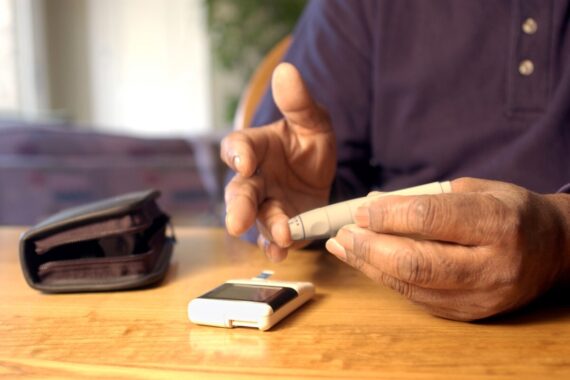


A common but undiagnosed genetic condition may delay diagnosis of type 2 diabetes in Black and South Asian men in the UK because it makes HbA1c blood test readings unreliable, researchers have found.
Analysis of data from half a million people in UK Biobank and Genes & Health cohorts found that G6PD deficiency is common in Black and Asian men yet is rarely diagnosed and contributes to later diagnosis and more chance of complications.
The study led by researchers at the University of Exeter found that one in seven Black and one in 63 South Asian men carry the G6PD deficiency genetic variant, compared with fewer than one in 10,000 white men.
Comparing this with health records, the study also showed that men with G6PD deficiency are, on average, diagnosed with type 2 diabetes four years later than those without the gene variant.
Overall, fewer than one in 50 men have been diagnosed with the condition, the researchers reported in Diabetes Care.
GP6D does not cause diabetes but it makes results from HbA1c blood tests appear artificially low, the researchers explained, misleading doctors about an individual’s risk.
The World Health Organisation recommends routine screening for G6PD deficiency in populations where it is common, but this is not widely implemented in the UK, they noted.
Yet the study based on large UK cohorts, found men that with G6PD deficiency are at a 37% higher risk of developing diabetes-related microvascular complications, such as eye, kidney and nerve damage, compared to other men with diabetes.
Study author Professor Inês Barroso from the University of Exeter said the findings highlighted an ‘urgent need’ to testing practices to address health inequalities.
‘Doctors and health policy makers need to be aware that the HbA1c test may not be accurate for people with G6PD deficiency and routine G6PD screening could help identify those at risk.
‘Addressing this issue is not only crucial for medicine, but for health equity.’
Co-author, Dr Veline L’Esperance, a GP and senior clinical research fellow at Queen Mary University of London, said: ‘These findings are deeply concerning because they show how a widely used diagnostic tool may be failing communities that are already disproportionately affected by type 2 diabetes.
‘Too many people are being left undiagnosed until it is too late to prevent serious complications. We need greater awareness among healthcare professionals and stronger policies to ensure equitable screening and diagnosis.’
Professor Faye Ruddock, chair of the Caribbean and African Health Network, said: ‘Black communities in the UK experience health inequalities, particularly relating to type 2 diabetes.
‘This study highlights important evidence that must be used to tackle these health inequalities and improve outcomes for Black communities.
‘Preventative measures are now needed to ensure that Black people, especially men, are not underdiagnosed or diagnosed too late.’
Visit Pulse Reference for details on 140 symptoms, including easily searchable symptoms and categories, offering you a free platform to check symptoms and receive potential diagnoses during consultations.