

GPs warned to be vigilant when prescribing gabapentinoids alongside other drugs
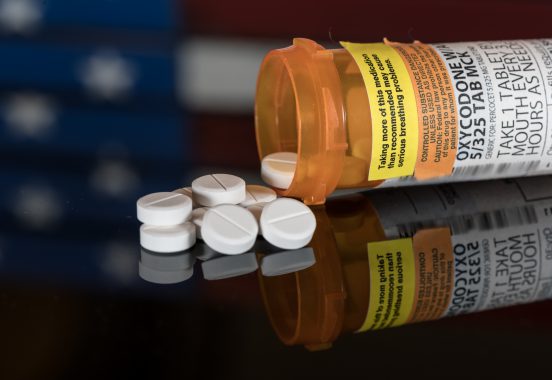


GPs have been warned to exercise more caution in prescribing gabapentinoids, particularly alongside other medications, after a study highlighted the increased risk of drug poisoning.
Analysis of UK data on gabapentinoid prescribing between 2010 and 2020 showed that taking the drugs alongside benzodiazepines was associated with a doubling in the risk of hospitalisation for drug poisoning, and opioids were associated with a 30% increase in risk.
The risk was higher in the first few weeks, the analysis found.
A detailed look at 16,827 people prescribed a gabapentinoid who had had at least one drug poisoning hospitalisation, showed taking it alongside a benzodiazepine was associated with a four-fold risk of hospitalisation with drug poisoning in the four weeks after starting gabapentinoid treatment, compared to when they were taking neither drug.
A gabapentinoid combined with an opioid doubled the poisoning risk in the first four weeks, relative to taking neither drug, the team reported in PLOS Medicine.
Those who were hospitalised for drug poisoning made up just 2% of the entire group of people who had been prescribed a gabapentinoid during the study period.
But participants were frequently taking gabapentinoids alongside other prescribed medications, with 89% taking them alongside opioids at some point in the study period, and 55% taking them alongside benzodiazepines for at least some time, the researchers noted.
However, the highest risk of drug poisoning was found in the 90 days before the study participants began taking gabapentinoids, suggesting the prescription of gabapentinoids may sometimes have been linked to concerns about other medications.
Overall, it suggests that gabapentinoids are often started during periods of already heightened vulnerability to drug poisoning, and that risk ‘remains modestly elevated during treatment, and further elevated when opioids or benzodiazepines are co-prescribed’, they concluded.
In January, the Medicines and Healthcare Products Regulatory Agency strengthened the packaging warnings about the risks of addiction, dependence, withdrawal, and tolerance for gabapentin, pregabalin, benzodiazepines, and z-drugs.
Patients should be closely monitored around treatment initiation, they added.
Study lead Dr Kenneth Man, a pharmacoepidemiologist at the University College London School of Pharmacy, said: ‘Prescription rates for gabapentinoids have been increasing rapidly in recent years, as they are seen as a safe alternative to opioids.
‘While they can be effective for pain relief and do have better perceived safety profiles than opioids, there are still substantial risks that clinicians and patients should be mindful of.’
The findings do not suggest that gabapentinoids are unsafe or should not be prescribed, but that ‘clinicians should be cautious when prescribing them, particularly if a patient is taking other medications as well, and clinicians should closely monitor patients who are taking them’.
Co-author Dr Andrew Yuen, also at the UCL School of Pharmacy, added: ‘A clinician’s decision to prescribe gabapentinoids may sometimes be an attempt to minimise the risk of drug poisoning linked to opioids or other medications.
‘While the risk of poisoning did decrease somewhat after patients began gabapentinoid treatment, they still faced an elevated risk of drug poisoning, which suggests that clinicians need to remain vigilant to the risks.’
Visit Pulse Reference for details on 140 symptoms, including easily searchable symptoms and categories, offering you a free platform to check symptoms and receive potential diagnoses during consultations.
Related Articles

READERS' COMMENTS [2]
Please note, only GPs are permitted to add comments to articles







by “drug poisoning”, and we referring to deliberate overdose in dependent people; minor common side effects; or side effects causing significant reduction in conscoius level?
Re David Church….. I agree, the term “poisoning” is odd. It seems to be the preferred coding for any hospitalisation caused by a drug.
(“Poisoning” conjures up images of lacing cakes with arsenic, surreptitiously popping pills into a victim’s tea, and Dr Crippen).
But given the deep desire for “Gabbies” amongst the drug-addicted brethren, it’s a prescription best avoided when at all possible.
The Chronic Pain Guidelines (summary…..give them nowt) are for once really helpful in deflecting demand for these dreadful drugs.