Calls for increased use of finger-prick tests for children with diabetes symptoms


The health secretary has backed a campaign to reduce missed diagnoses of type 1 diabetes in children.
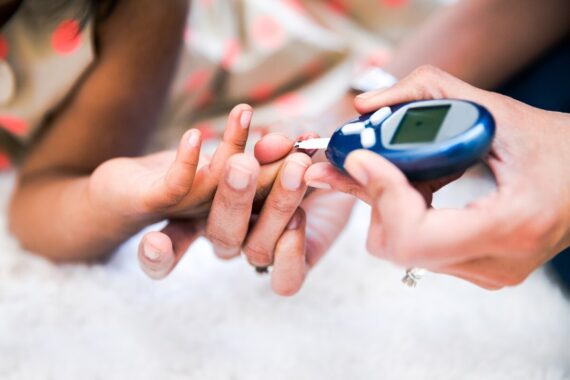
Proposals include mandatory finger prick glucose testing for babies, children and toddlers in healthcare settings when they present with telltale symptoms.
MPs have also called for every GP practice to have access to glucometers so that cases are not missed.
It follows the death of two-year old Lyla Story who died in her sleep less than a day after being diagnosed with tonsillitis by a GP.
Lyla had showed symptoms of type 1 diabetes, such as increased thirst and more frequent wet nappies.
Her parents launched a petition calling for Lyla’s Law, which proposes to embed NICE Guideline NG18 into law and introduce a ‘test, don’t guess’ framework when children present with any of the four T’s’ – toileting, thirst, tiredness and thinning.
Lyla’s father John Story has also been working with NICE update their guidance on testing.
Attracting 121,00 signatures, the petition prompted a debate in Parliament on 9 March. Diabetes UK has also supported the campaign.
Wes Streeting said he was ‘determined to make real improvements in diagnosing type 1 diabetes’ to ensure no child is ‘let down by the NHS’.
In a meeting with Lyla’s father, the health secretary said ‘NHS England is working on how it can better support staff to diagnose patients as quickly as possible’.
‘No child should be let down by the NHS the way Lyla was, and I’m determined to make real improvements in diagnosing type 1 diabetes to make sure it never happens again.’
During the debate, Sharon Hodgson, the parliamentary under-secretary of state for health and social care agreed that ‘more needs to be done’ to ensure children with type 1 diabetes are diagnosed promptly and accurately, with clearer guidance needed.
Tom Gordon, chair of the All-Party Parliamentary Group for Diabetes added: ‘Ensuring that every GP practice has access to relevant glucometers and that the staff are confident about recognising the 4 T’s is one of the most simple and effective ways we can reduce those missed opportunities.’
Several MPs emphasised how simple it could be to introduce routine testing for type 1 diabetes in children.
MPs heard that a ‘single finger-prick blood glucose test is cheap and takes seconds’.
NICE guidance for type 1 and 2 diabetes says clinicians should be aware of the signs of type 1 diabetes in children and young people, including hyperglycaemia, polyuria, polydipsia, weight loss and excessive tiredness.
It also recommends that children and young people with suspected type 1 diabetes are referred immediately (on the same day) to a multidisciplinary paediatric diabetes team.
An NHS-backed study is looking at testing for auto-antibodies to detect children at risk before they develop the condition, after an initial pilot confirmed the acceptability and feasibility of screening children for type 1 diabetes.
Results from finger prick blood samples from more than 17,000 children aged 3 to 13 years found 200 children at risk of the condition.
Those in whom the autoantibodies were found were invited for further blood tests or sugar tolerance tests.
In the next phase of the study, Elsa 2, more children will be recruited from a wider age range (2 to 17 years) with support for families through new NHS clinics at each of the 20 study sites across the UK.
Visit Pulse Reference for details on 140 symptoms, including easily searchable symptoms and categories, offering you a free platform to check symptoms and receive potential diagnoses during consultations.