

BMA GP committee votes in favour of entering collective action
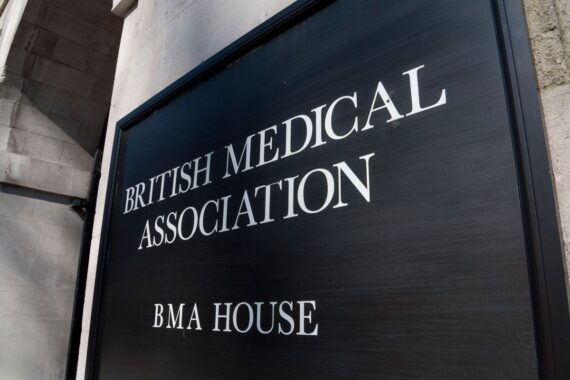


Exclusive The BMA’s GP committee has voted to enter collective action against this year’s imposed contract, Pulse has learnt.
Members of GPC England were asked to vote electronically on whether to accept concessions from NHS England, or move to collective action, with the vote closing today.
Now the results of the vote shared by the committee executive, and seen by Pulse, show that 53% of the committee voted in favour of entering action, while 45% voted to ‘postpone’.
One member of the committee abstained and two members ‘could not be reached and did not vote’.
Following the vote results, BMA members received a link to guidance from the committee which said that from today (1 May) practices are urged to take part in collective action, ‘given Government’s insufficient assurances regarding our concerns over the 2026/27 GMS contract’.
The guidance added that GPC England is recommending that the first action practices take, is ‘around reviewing the GP patient data they are expected to share outside the practice’, with the wider NHS and other organisations.
From today, the first single collective action that the committee is urging practices to take is to cease signing up to any new voluntary data sharing agreements (DSAs) that ‘extract patient data for secondary uses’, for example, medical research conducted by charities, commercial organisations and universities or health service planning carried out by Government agencies or local NHS organisations.
The GPC is also requesting that each practice sends a template letter to its local system to assess each existing DSA the practice is currently signed up to (see box).
The guidance said: ‘GPs take their responsibility for their patient records very seriously, and this provides an opportunity to ensure all data sharing agreements have been rigorously scrutinised to be lawful, proportionate, and in the interests of the patient and the practice.
‘This action will be beneficial to practices and should be welcomed by patients. It may create challenges for the wider Government agenda, especially with the increasing of work coming from hospitals to practices without commensurate resources under the “left shift” agenda.’
The committee said it has created resources for practices and LMCs, including: a template letter to send to a practice’s local system; guidance on the single care record, GDPR in the context of lawful data sharing; and ‘wider’ measures that GP practices ‘can take to keep the profession safe, organised, and united in the face of commissioning gaps and challenges to clinical autonomy’.
It said that withdrawing from voluntary ‘population health management’ data sharing agreements for secondary purposes will impact the wider health system’s ability to collect and analyse data for non-direct care activities.
The BMA said that collective action will not advise or instruct any practices to breach their contract, but that unless the Government can deliver ‘greater flexibility to reassure the profession’, the BMA ‘may escalate by introducing further actions in future months’.
It comes after both NHS England and the health secretary had threatened not to go ahead with bilateral negotiations for a new GMS contract with the GPCE if it took collective action.
As part of the vote, GPC England members were asked to choose one of the following options for what ‘course of action’ the committee should take next:
- ‘I believe that progress has been made against GPC England’s demands and wish to now proceed with bilateral GMS negotiations, and postpone escalation to nationwide collective action at this juncture’
- ‘I do not believe that progress has been made against GPC England’s demands and wish to reject the offer of bilateral negotiations on the next phase of GMS contract discussions, and escalate to nationwide collective action from Friday 1 May’
GPC chair Dr Katie Bramall said: ‘As GPs, we take our responsibilities for the data we hold about our patients very seriously. The confidentiality of this information, and how it is used, must be appropriate and not undermined by the reputational impact of organisations whose values may not align with the NHS or the profession.
‘This action will not affect patient care, but we hope it will bring us closer to finding a solution that protects GPs and delivers the care our patients and communities deserve.’
Last week, talks between GPCE and NHSE led to the commissioner backtracking on a target for one in four GP referrals being diverted through new advice and guidance requirements.
What practices need to do
1. Send the template letter to your local ICB, indicating you will stop agreeing to voluntary secondary uses data sharing agreements (DSAs) from May 2026
2. Refer any new DSA requests to BMA via [email protected]
3. Carry out an audit of all existing DSAs that your practice is currently signed up to (guidance for this with easy to follow screenshots for all GP systems will follow next week)
4. Initiate a conversation with your patient participation group (PPG).
Source: BMA guidance

READERS' COMMENTS [6]
Please note, only GPs are permitted to add comments to articles







Will anyone notice?
Will anyone care?
No, no one . Bma is not fit for purpose.
what should GPC do instead? we are stuck between a rock and a hard place with the current government. we all want a negotiated settlement. how do we get there? what is the roadmap. noone wants this.
GPC should be looking at how Doctors can do a Denplan.
Continue to deliver services to Patients, earn a living, but outside of the NHS.
The future otherwise is grim.
Something more radical is needed. The answer lies in prescribing.
Prescribing people Plavix instead of clopidogrel causes no harm for patients. It doesn’t reduce the service that we provide to patient. However it has a big impact, even if only 20% of practices take part.
Add in lipitor, zotec, lustral, zoton and cipramil and the impact gets multiplied.
Add in open prescribing for paracetamol (panadol), emmolients hayfever meds and you’ll be doing better.
Add in prescriptions in line within the licence for weight loss injections and it is now costing a lot lot more than any changes the BMA are asking for.
The GPC need to develop a clear exit plan with multiprovider insurers.
Basically stop propping up a failing Socialised Health Service.